Introduction
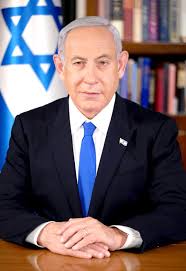
Benjamin Netanyahu, Prime Minister of Israel, has been at the forefront of the nation’s politics for decades. Known for his strong stances on security and foreign policy, Netanyahu’s leadership continues to shape Israel’s direction. Recent events have heightened interest in his administration, making it crucial to examine the current political landscape and challenges he faces.
Recent Developments
In the past few weeks, Netanyahu has faced increasing pressure from various fronts, including internal dissent within his coalition government. His hardline stance on Palestinian issues has drawn criticism from both domestic and international observers, especially following recent escalations in violence in the Gaza Strip. As of October 2023, reports indicate that tensions have risen, leading to calls for a reassessment of Israeli policies towards the Palestinians.
Additionally, Netanyahu’s government has been grappling with the effects of ongoing protests against some of its controversial judicial reforms, which many perceive as an attack on the independence of the judiciary. These reforms have led to significant backlash, causing mass protests across the country. The Prime Minister had hoped to solidify his political power through these changes, but they have instead fueled discontent and calls for accountability from the public.
International Relations
On the international stage, Netanyahu has been working to strengthen ties with traditional allies such as the United States, even as the political climate becomes more complicated. With the Biden administration focusing on rebuilding relationships in the Middle East, Netanyahu must navigate these connections carefully, especially concerning Iran and the normalization efforts with several Arab states.
Furthermore, Netanyahu’s ability to respond effectively to shifting geopolitical dynamics, particularly with the recent changes in leadership in several Arab nations, has become critical. His government’s actions will have lasting implications for Israel’s foreign policy and regional stability.
Conclusion
In conclusion, Netanyahu’s leadership in Israel is marked by both domestic controversies and international challenges. As he continues to navigate a fragile political landscape, his decisions in the coming months will significantly impact Israel’s future. It is vital for citizens and international observers to remain informed about these developments, as they not only affect Israel’s standing in the world but also the broader implications for peace and security in the Middle East.