Introduction to the Northern Lights
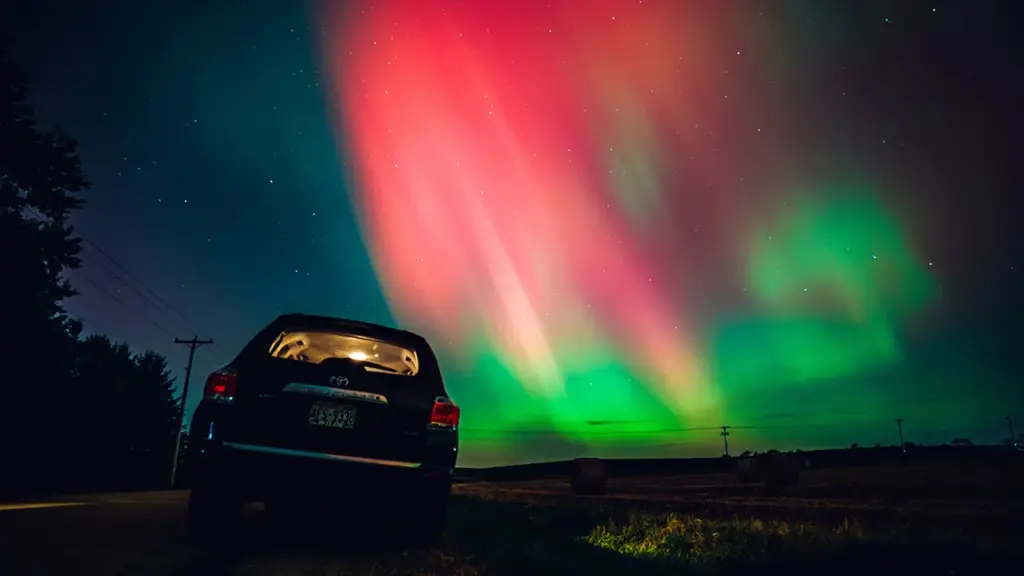
The Northern Lights, also known as the Aurora Borealis, are a stunning natural light display predominantly seen in high-latitude regions around the Arctic and Antarctic. This extraordinary phenomenon attracts thousands of tourists and scientists alike each year, making it a topic of great significance and interest. Understanding the aurora borealis forecast allows individuals to better plan their trips to witness this breathtaking spectacle, especially as solar activity fluctuates online.
Current Forecast and Predictions
As of October 2023, the forecast for the Northern Lights shows promising activity for enthusiasts. Solar Cycle 25 has entered an active phase, leading to increased sunspot activity and solar flares, key factors influencing aurora occurrences. According to the NOAA Space Weather Prediction Center, heightened geomagnetic storms are anticipated over the next few months due to increased solar energy emissions. Regions within Canada, especially Yukon, Northwest Territories, and Nunavut, are expected to have optimal viewing conditions.
Best Viewing Locations
To maximize the chance of witnessing the Northern Lights, it is crucial to choose locations with minimal light pollution. Ideal places in Canada include Whitehorse in the Yukon, Yellowknife in the Northwest Territories, and Iqaluit in Nunavut. These locations offer clear, dark skies and have proven to be reliable venues for aurora viewing.
Tips for Aurora Viewing
For those planning to catch a glimpse of the Northern Lights this season, here are a few helpful tips:
- Check the local aurora forecast regularly; reliable resources like the Aurora Service or NOAA provide timely updates.
- Choose a dark spot away from city lights; often, rural areas offer the best views.
- Dress warmly, as northern climates can be frigid during peak viewing months from October to March.
- Be patient; auroras can fluctuate in intensity and duration.
Conclusion and Significance
The ongoing excitement surrounding the Northern Lights aurora borealis forecast for 2023 presents both opportunities for awe-filled experiences and highlights the importance of scientific understanding of solar activities. As interest continues to grow, educators and tour operators are encouraged to raise awareness about the natural science behind auroras, enhancing the viewing experience for families, tourists, and curious locals alike. Observing the Aurora Borealis remains a magical event, embodying the blend of nature and cosmos that captivates the human imagination.