The wider picture
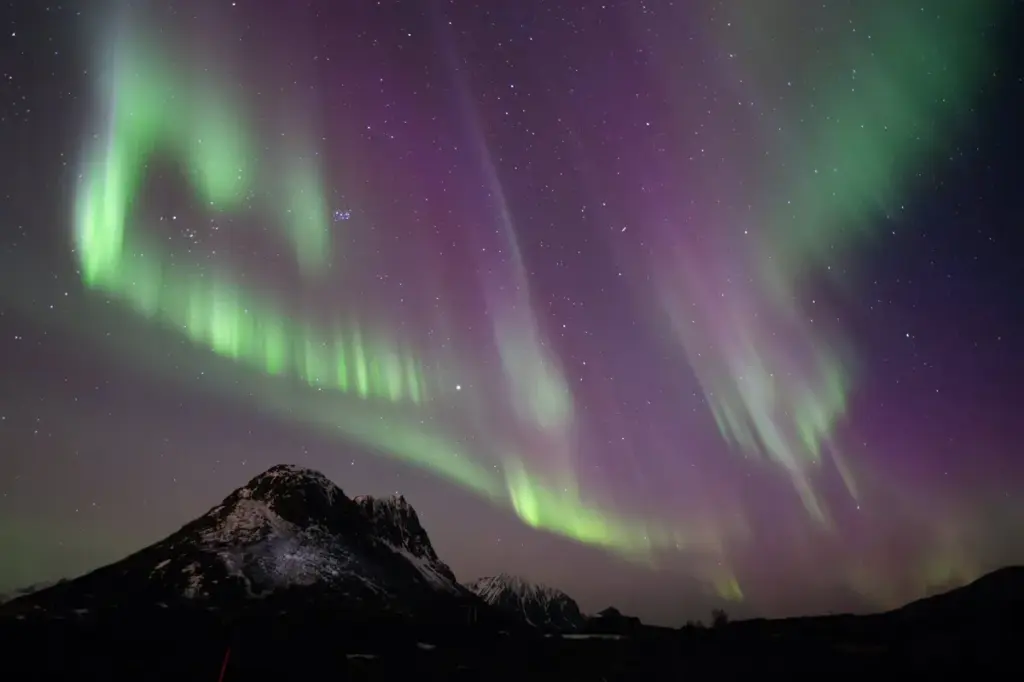
March is often an active month for northern lights displays due to geomagnetic storms, and this year is no exception. As we approach March 23, 2026, excitement is building among skywatchers and scientists alike, with forecasts indicating a spectacular opportunity to witness the aurora borealis in mid-latitude locations. Cities such as New York, London, and northern France are expected to experience this natural wonder, which is typically reserved for those living closer to the poles.
The anticipation stems from a recent G3 geomagnetic storm that has already set the stage for breathtaking displays. This storm was triggered by recent coronal mass ejections and a fast solar wind stream from a coronal hole, which have combined to create conditions ripe for auroras. Observers in various locations have already reported stunning sightings, with one user exclaiming, “Wow 😍 the northern lights just exploded over downtown Reykjavik, Iceland.” Such reactions highlight the awe-inspiring nature of this celestial phenomenon.
Forecasters are predicting that on March 23, 2026, Kp values will range from 3 to 6, indicating periods of G1 to G2 geomagnetic storming. This means that not only will the northern lights be visible, but they may also be particularly vibrant and widespread. The best time to catch a glimpse of the aurora is generally between 10 p.m. and 4 a.m. local time, making it a prime opportunity for night owls and adventurous souls alike.
As the excitement builds, experts are also keeping a close eye on the solar activity that could influence the strength of the auroras. A possible coronal mass ejection (CME) arrival on March 24 could reinvigorate storming to G2 or higher, further enhancing the chances for spectacular displays. With the sun having produced nine flares in the past 24 hours, including five C-class and four B-class flares, the conditions are certainly favorable for continued auroral activity.
However, it’s important to note that a G2 storm can impact high-latitude power systems and spacecraft operations, reminding us of the delicate balance between our technological advancements and the natural forces at play. Janna Levin, an astrophysicist, remarked, “The aurora reminds us of this otherwise invisible and protective shield provided by the Earth’s magnetic field,” emphasizing the significance of these events beyond mere visual spectacle.
As we look forward to March 23, the community of skywatchers is buzzing with anticipation. The Royal Astronomical Society of Canada shared their enthusiasm, stating, “Saturday-Sunday #aurora was a banger! #timelapse,” capturing the collective excitement surrounding these celestial displays. The weeks around the spring equinox are often considered ‘aurora season,’ and this year seems poised to deliver a memorable experience for many.
While solar activity is expected to drop to very low levels after March 23, 2026, the upcoming days promise a unique opportunity for those in mid-latitudes to witness the northern lights. As the world prepares for this natural light show, observers and officials alike are hopeful for clear skies and vibrant colors. Details remain unconfirmed, but the community remains optimistic about the chance to witness this breathtaking phenomenon.