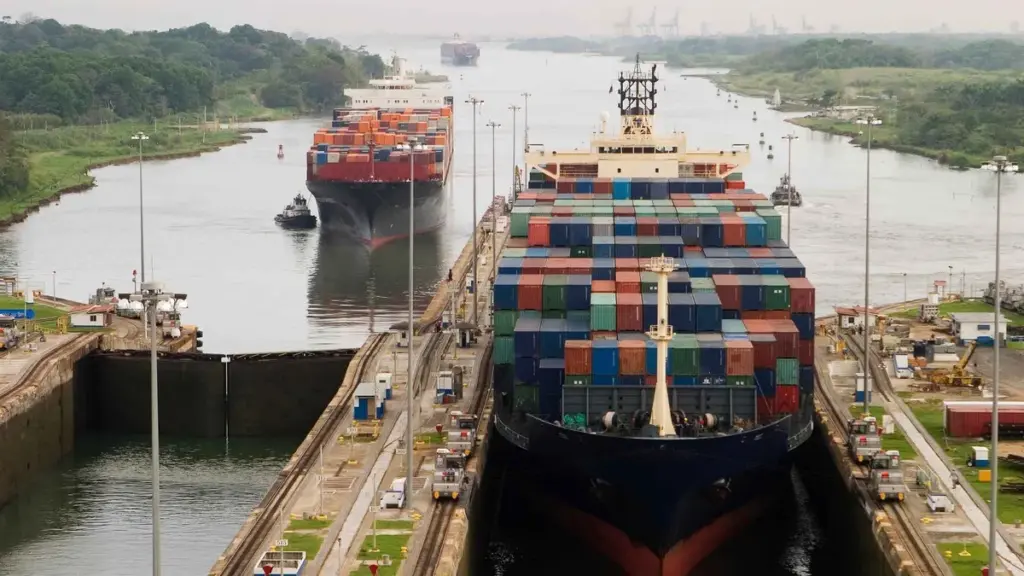
The Panama Canal is experiencing a surge in transits and passage costs due to heightened global demand and shifts in trade patterns. In January 2026, the average number of daily transits reached 34 ships, rising to 37 ships by March.
The Panama Canal recorded around 300 additional vessel crossings compared to the same period last year. This uptick reflects significant changes in global trade patterns, particularly influenced by the increasing liquefied natural gas (LNG) exports from the United States.
In April 2026 alone, LNG transits through the canal totaled 12, with four laden carriers traveling westward to deliver US cargoes. Interestingly, a liquefied natural gas carrier recently paid USD 4 million to bypass the queue, avoiding a wait of up to five days.
The Panama Canal Authority has noted that this increase in traffic aligns with broader market conditions. “The average number of daily transits has remained strong,” an official stated, underscoring confidence in future shipments.
However, this surge comes with challenges. The Canal’s water usage primarily supports ship transit—40% of it is allocated for this purpose rather than human consumption. Concerns are growing among local communities about water resources, especially with projects like the Río Indio Dam potentially displacing 2,543 people.
As one local advocate put it, “Water is for life, not for ships.” This sentiment echoes among those wary of neoliberal policies that prioritize shipping over community needs.
The dynamics of global trade are shifting. An LNG trader remarked, “The arbitrage seems to be opening up; there are some cargoes going to Southeast and South Asia.” This indicates that the canal’s role in international trade will continue evolving.
The Panama Canal Authority expects further increases in shipments moving through this critical waterway. Yet, as trade patterns shift and environmental concerns mount, how these changes will impact local communities remains uncertain.