“This decision will allow our air and naval forces to carry out all their missions, restore our partnerships, and maintain Rafale’s attractiveness for export,” stated Catherine Vautrin, highlighting the strategic importance of the Rafale fighter jets in modern military operations.
The Rafale, a multi-role fighter aircraft developed by Dassault Aviation, is undergoing significant upgrades with the introduction of the Rafale F5 variant. This new version is expected to enter service with the French Air and Space Force by 2030, enhancing the capabilities of France’s military forces. The upgrades include more powerful engines, improved aircraft survivability, and the integration of advanced weaponry, ensuring that the Rafale remains a formidable asset in the skies.
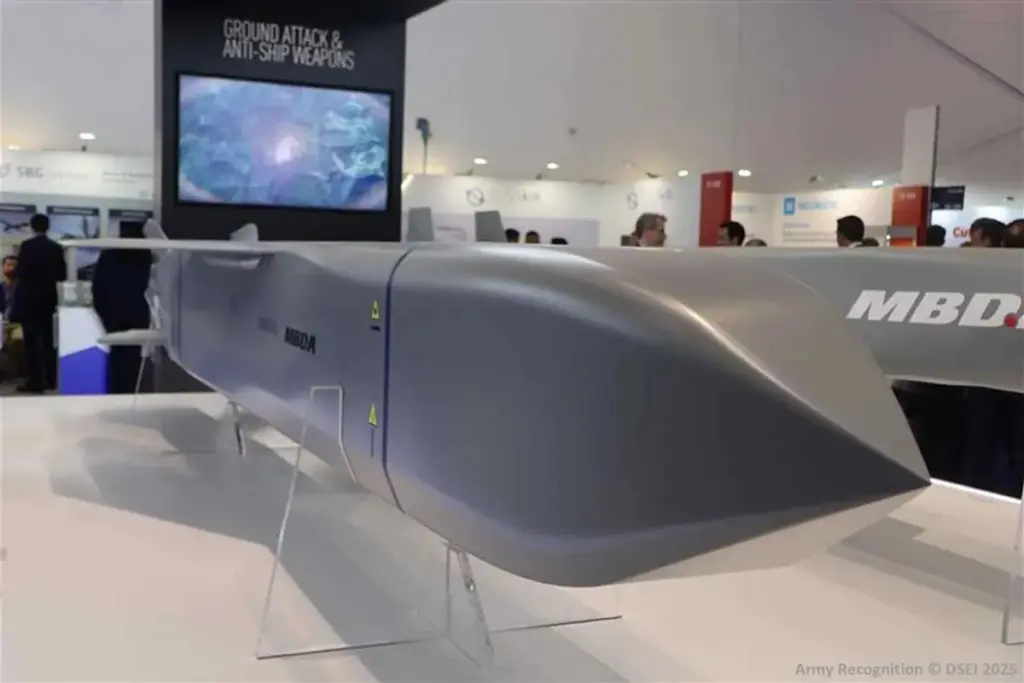
As part of its modernization efforts, France is also developing the STRATUS supersonic missile, designed specifically for the Rafale F5 and naval platforms. This missile focuses on high-supersonic speed, ramjet propulsion, and multi-role strike capability, making it a key component in the French military’s arsenal. The STRATUS missile is intended for SEAD/DEAD (Suppression of Enemy Air Defenses/Destruction of Enemy Air Defenses) and anti-ship warfare, further expanding the operational reach of the Rafale.
Despite these advancements, France’s defense spending plans indicate that there will be no procurement of additional Rafale fighters beyond the target fleet of 178 by 2030. This decision reflects a strategic pivot in military spending, as the nation aims to balance its defense capabilities with budgetary constraints.
In India, the Rafale deal has been a topic of significant discussion, particularly following a Supreme Court ruling that ordered the government to disclose details of the Rafale jet deal within ten days. The deal, which involves the purchase of 36 Rafale planes for $8.7 billion, has faced scrutiny and calls for a court-monitored investigation into the procurement process. Prominent lawyer Prashant Bhushan has emphasized the need for transparency, stating, “There should be a court-monitored Central Bureau of Investigation probe into the Rafale deals.”
Furthermore, Arun Shourie, a former Union Minister, has pointed out that “confidentiality does not relate to price, only technical specifications,” suggesting that the details surrounding the deal should be made public to ensure accountability. The ongoing discussions around the Rafale deal in India reflect a broader concern about defense procurement processes and the implications for national security.
As the Rafale F5 prepares to enter service and the STRATUS missile development progresses, the future of French military capabilities looks promising. The integration of advanced technologies and the strategic decisions surrounding defense spending will play a crucial role in shaping the effectiveness of the Rafale in both domestic and international contexts.
With the Rafale program continuing to evolve, the next expected developments include further enhancements to the aircraft’s capabilities and the potential for increased export opportunities. As nations around the world look to modernize their air forces, the Rafale’s advanced features and proven performance may position it as a leading choice in the global defense market.