Introduction
Typhoons are a frequent and devastating occurrence in the Philippines, a country strategically located along the typhoon belt of the Pacific Ocean. With the recent typhoon’s impact causing significant damage, it has become crucial to examine the effects on local communities and the ongoing relief efforts. Typhoon season in the Philippines not only highlights the vulnerability of these communities but also emphasizes the importance of disaster preparedness and response mechanisms.
Details of the Recent Typhoon
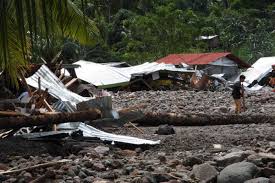
In early November 2023, Typhoon Lando, classified as a super typhoon, made landfall in the northeastern provinces of the Philippines, including Aurora and Quezon. With wind speeds reaching over 200 kilometers per hour, the storm wreaked havoc, causing widespread flooding and devastation. According to the National Disaster Risk Reduction and Management Council (NDRRMC), over 100,000 people were displaced from their homes, with reports of at least 50 casualties attributed to the storm.
Government Response and Relief Efforts
The Philippine government, in collaboration with various non-governmental organizations, swiftly mobilized resources for affected communities. Emergency shelters were established, and food and medical supplies were distributed to those in need. Local government units activated their disaster response plans, and national agencies provided additional support through cash assistance and healthcare services. As of mid-November, recovery efforts are ongoing, with an emphasis on restoring basic utilities such as electricity and clean water supply.
The Importance of Preparedness
The recurring nature of typhoons in the Philippines underscores the need for robust disaster preparedness strategies. While emergency responses are essential, long-term planning is crucial to mitigate the impacts of such disasters. Educating communities on evacuation routes, emergency kit preparedness, and the significance of timely weather updates can save lives and reduce injuries during adverse events.
Conclusion
The recent typhoon in the Philippines serves as a stark reminder of the challenges posed by natural disasters. As recovery efforts continue, the resilience of the Filipino people becomes evident. With the right support and preparedness strategies in place, communities can better withstand future storms. It is vital for local and international organizations to collaborate in enhancing disaster response mechanisms and promoting awareness initiatives, ensuring that the nation remains vigilant in the face of nature’s challenges.