A refugee field worker in Regina, Abdulkader Ali, has been convicted of immigration fraud, shedding light on vulnerabilities in the refugee application process. Ali pleaded guilty on February 17 after submitting at least 31 falsified immigration applications to Immigration, Refugees and Citizenship Canada (IRCC).
The Canada Border Services Agency (CBSA) reported that Ali accepted money from refugees in exchange for promises to expedite their immigration claims. He has been fined $75,000, sentenced to two years probation, and ordered to complete 200 hours of community service.
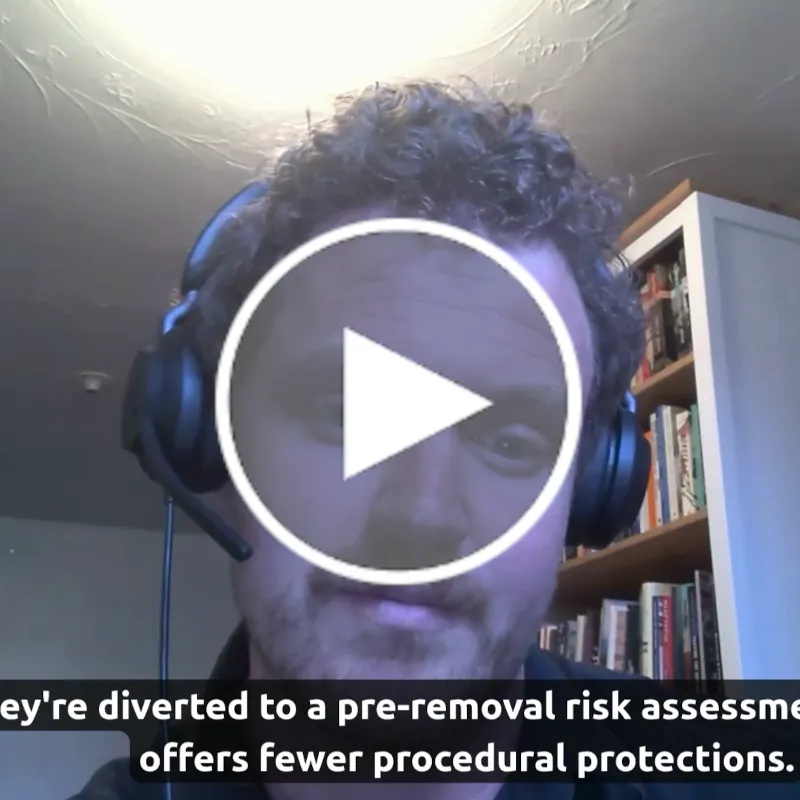
This case raises significant concerns about the integrity of the refugee application process. Joshua Eisen, in-house counsel at the FCJ Refugee Centre, emphasized that “the one-year bar disproportionately harms some of the most vulnerable claimants: LGBTQ individuals, survivors of domestic violence and human trafficking.” This vulnerability is further exacerbated by the lengthy processing times for Humanitarian and Compassionate (H&C) applications, which can exceed 10 years.
The investigation into Ali began in 2019 after a complaint from Justice Seeks. This incident reflects broader issues within Canada’s immigration policies, particularly with the recent introduction of Bill C-12, which imposes stricter eligibility criteria for those making refugee claims more than one year after arriving in Canada.
Eisen stated, “If H&Cs are to remain a meaningful tool, there must be revisions to the government’s Immigration Levels Plan.” The current framework leaves many individuals without viable options for legal residency.
As Canada continues to navigate its immigration landscape, observers are closely watching how these developments will affect both future applicants and the integrity of its systems. The need for reform appears urgent as communities strive to support those seeking refuge.