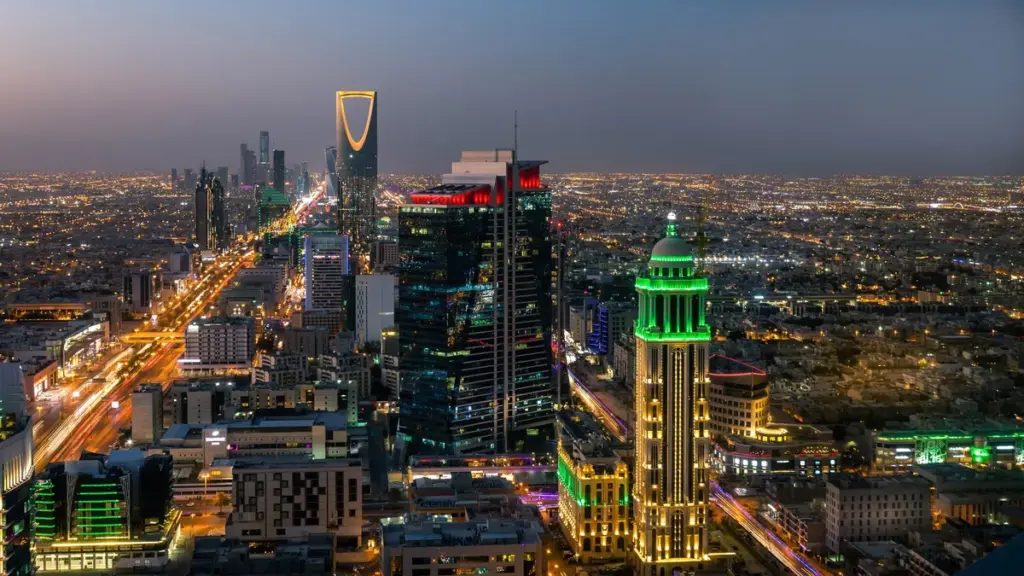
What does the recent meeting in Riyadh signify for the future of regional stability in the Middle East? The gathering of foreign ministers from 12 countries, including Saudi Arabia, the United States, and several Gulf states, aimed to forge a common response to Iran’s escalating military actions.
On March 19, 2026, the meeting was convened in light of Iran’s retaliation against U.S. assets in the region, which has raised alarms among neighboring countries. Saudi Arabia’s Foreign Minister, Prince Faisal bin Farhan, emphasized that trust with Iran has been shattered, stating, “Trust has been shattered.” He further noted that Saudi Arabia reserves the right to take military actions if deemed necessary.
The backdrop of this meeting is marked by a series of Iranian attacks targeting energy facilities across Saudi Arabia, the UAE, and Qatar, which have been linked to ongoing tensions following Israeli strikes. During the meeting, Saudi Arabia intercepted four ballistic missiles aimed at Riyadh, underscoring the immediate threat posed by Iran’s Islamic Revolutionary Guard Corps, which claimed responsibility for attacks on oil facilities.
The joint statement issued by the foreign ministers condemned these Iranian attacks, calling for an immediate halt to hostilities and urging Iran to cease its support for proxy groups in the region. The meeting reflects a collective concern over the unprecedented disruption to global energy supplies caused by the ongoing conflict.
Historically, Saudi Arabia and Iran have had tumultuous relations, but they began a rapprochement in 2023. This recent escalation, however, has put that progress at risk. The meeting in Riyadh serves as a pivotal moment in determining how these nations will navigate their complex relationships moving forward.
As the situation unfolds, the exact timeline of potential military actions by Saudi Arabia against Iran remains unclear. Additionally, uncertainties linger regarding the current leadership dynamics in Iran following the assassination of key figures. Details remain unconfirmed.
With the stakes higher than ever, the international community watches closely as these nations grapple with the implications of Iran’s actions and the responses they may provoke. The outcome of this meeting could shape the future of diplomatic relations in the region and influence global energy markets significantly.