Introduction
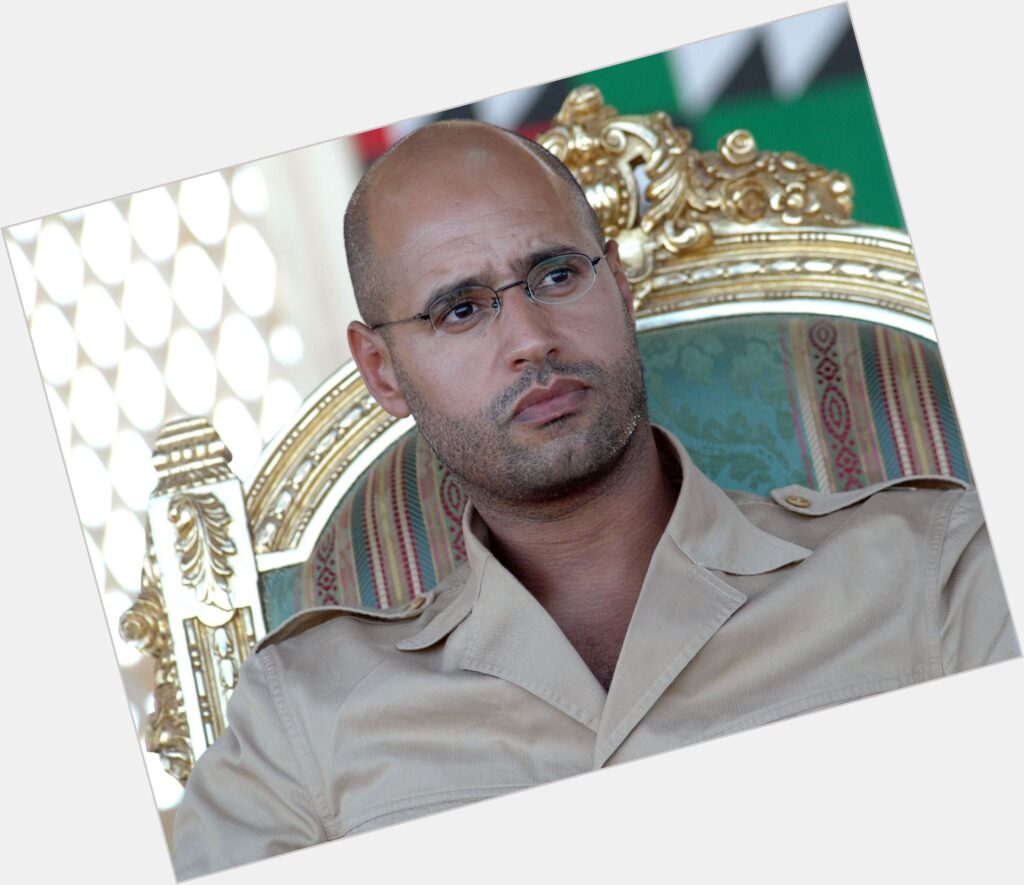
Saif al-Islam Gaddafi, the son of the late Libyan leader Muammar Gaddafi, has re-emerged as a prominent figure in Libya’s political landscape as the country navigates a complex path towards stability. His aspirations to enter the political arena, coupled with growing public support, highlight the continuing impact of his father’s legacy on Libya’s post-revolutionary society.
Background and Current Situation
Since the fall of his father’s regime in 2011, Saif al-Islam has remained a controversial figure. Initially captured and jailed by militia groups, he was released in 2017 and largely remained out of the public eye. However, recent developments indicate a significant shift as Saif has begun to actively engage with the public, positioning himself as a unifying candidate amid ongoing political fragmentation and insecurity in Libya.
As of 2023, Gaddafi has announced his intentions to run for president in the upcoming elections, aiming to capitalize on discontent with the current transitional government and calls for national reconciliation. In a series of public appearances, he has emphasized themes of unity, stability, and economic revival, reminiscent of his father’s populist rhetoric but adapted to the contemporary Libyan context.
Recent Public Engagements
This year, Gaddafi organized a series of meetings and conferences, enabling him to connect with various local leaders and communities across Libya. These events have sparked debates about his potential to galvanize support, particularly among citizens who feel abandoned by their leaders in Tripoli and elsewhere. Furthermore, Saif’s approach seems to focus on rebuilding state institutions and addressing corruption – an echo of his earlier initiatives before his father’s downfall.
Conclusion
Saif al-Islam Gaddafi represents both a continuity of past leadership and a contentious figure in Libya’s tumultuous journey toward democracy. As the nation prepares for elections, the possibility of his candidacy raises questions about the future political landscape and whether Libyans are ready to embrace a leader with such a complex legacy. Observers are closely watching Saif’s movements and strategies, as his campaign could drastically influence the political dynamics in the country and set the tone for a turbulent electoral process. The significance of his resurgence may serve as an indicator of Libya’s ongoing struggles with identity, governance, and national reconciliation.