Introduction
As winter approaches, Scotland is facing a slew of weather warnings related to snow that may significantly impact daily life and travel. Understanding these alerts is crucial for residents and visitors alike, as they can prepare for and react to changing conditions.
Current Weather Warnings
The Met Office has issued several yellow and amber weather warnings across various regions in Scotland. Areas such as the Highlands, Grampian, and parts of the central belt are specifically mentioned in these alerts, highlighting the risk of heavy snowfall and icy conditions that could disrupt travel and lead to potential hazards.
Forecasted Conditions
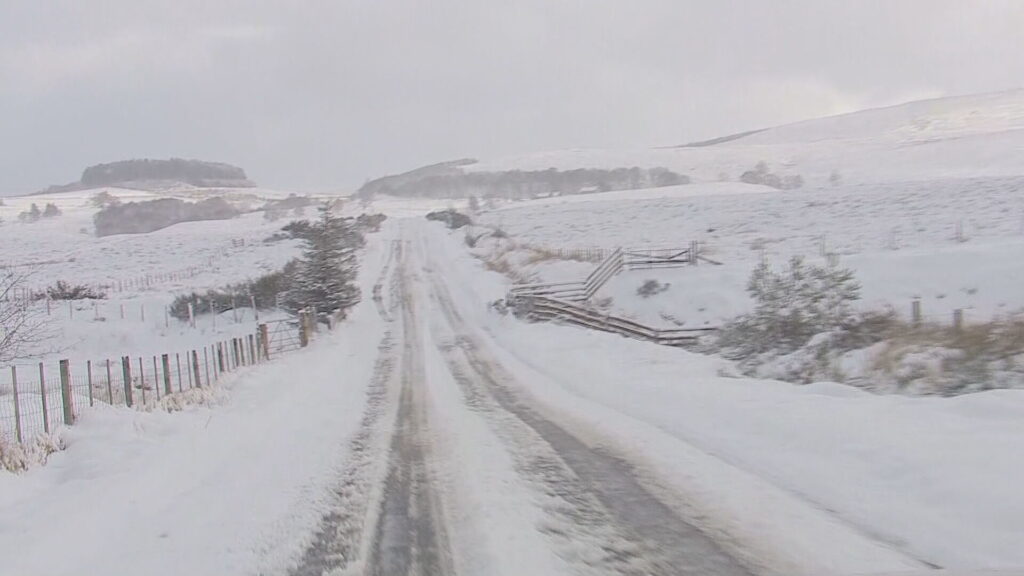
The latest forecasts indicate that Scotland could see snowfall accumulations of up to 20 centimeters in some regions, particularly in higher elevations. The snowfall is expected to begin this evening and continue into the early hours of tomorrow, with temperatures dropping to -2°C in certain areas. As a result, hazardous conditions are anticipated, including slick roads and reduced visibility.
Impacts on Transport and Daily Life
Transport authorities have advised drivers to exercise caution and only make essential journeys during this period. Disruptions to bus and train services could occur, as rail transport remains particularly vulnerable to snow and ice conditions. The Scottish Government is working with local councils to ensure that roads are cleared and gritted where necessary, though the volume of snowfall may challenge these efforts.
Safety Tips for Residents
As weather conditions worsen, safety becomes a priority. Residents are urged to stay updated on the situation through reliable weather channels and to prepare emergency kits at home, including food supplies and necessary medications. It is also advisable to avoid unnecessary travel and to keep in close contact with neighbors, especially the elderly or those with mobility issues.
Conclusion
With Scotland bracing for significant snowfall in the coming days, residents should heed official weather warnings and take necessary precautions. Staying informed and prepared can mitigate the impacts of severe weather, ensuring the safety and well-being of all. As forecasts become clearer, continued monitoring of the situation will be essential for effective planning and response.