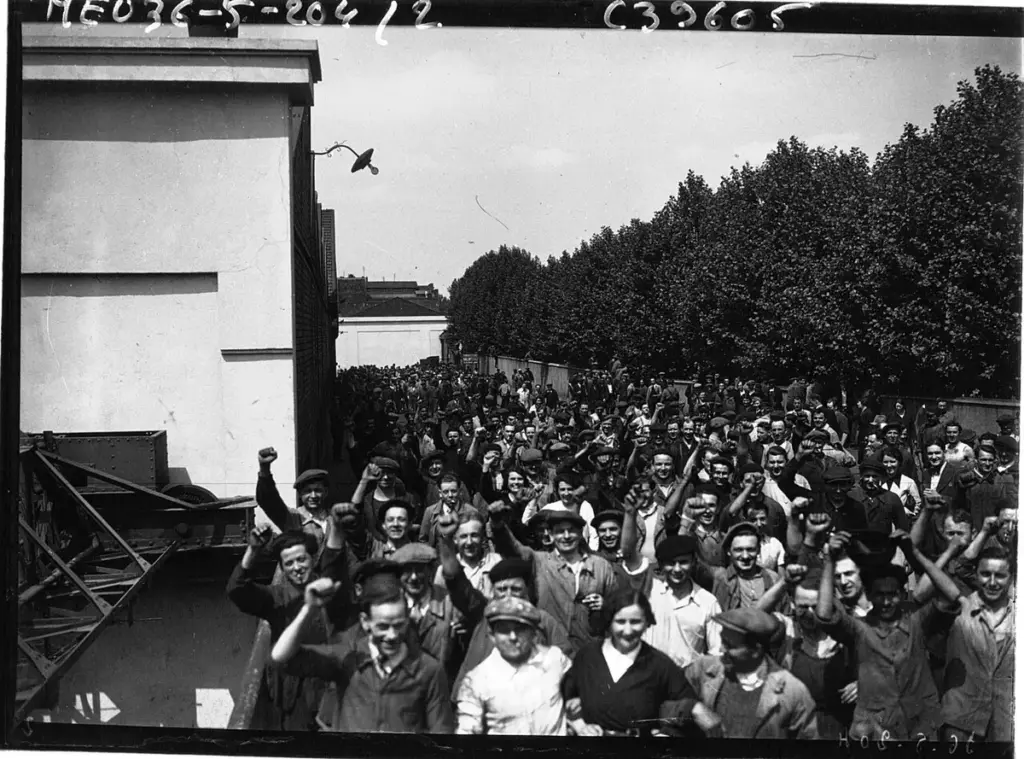
Reaction from the field
The concept of elderly security has profound implications for society, reflecting our collective commitment to care for our aging population. In France, the journey toward establishing a robust social security system for the elderly has been marked by significant milestones over the past 80 years. The stakes are high, as the well-being of millions of seniors depends on the evolution of these policies.
The roots of elderly security in France can be traced back to social movements that date as far back as ancient Egypt. Notably, Jean Jaurès emphasized the importance of social justice in the context of the Republic, stating, “For me who has never separated the Republic from the ideas of social justice without which it is just a word.” This sentiment echoes through the ages, as the fight for retirement rights has been a persistent theme in social reform.
The first legislative proposal aimed at establishing a retirement system for elderly workers was introduced in 1879, marking a pivotal moment in the history of social security. This proposal laid the groundwork for future developments, culminating in the passage of the law on workers’ and peasants’ pensions, which was voted on by the Chamber of Deputies in 1906 and later by the Senate in 1910. This legislation represented a significant step toward formalizing social insurance as a right rather than a privilege.
The 1905 law, which was initially titled “assistance to the elderly,” marked a turning point in the social policy landscape of the republicans. It shifted the narrative from mere assistance to a more structured form of social security. Édouard Vaillant articulated the essence of social insurance, stating, “Social insurance is the guarantee given by society to the proletariat against all the risks to which they are subjected from birth to death.” This framework laid the foundation for the modern understanding of elderly security.
Despite the progress made, the construction of social protection has always been fraught with challenges. The complexities of implementing a comprehensive system that adequately addresses the needs of the elderly continue to be a topic of debate. The voluntary old-age insurance scheme allows individuals to contribute voluntarily to their retirement, validating their quarters and providing a safety net for those who may not have sufficient coverage.
As of August 2025, the state of law and regulation regarding elderly security remains a dynamic issue, with ongoing discussions about potential reforms. The age of retirement has been a contentious topic, with current regulations allowing for retirement at 65, while earlier proposals suggested a lower threshold of 60 years, as advocated by figures like Édouard Vaillant.
Looking ahead, the future of elderly security in France remains uncertain. The complexities of demographic changes, economic pressures, and evolving societal values will continue to shape the discourse around retirement and social insurance. As we navigate these challenges, the voices of advocates and community leaders will be crucial in ensuring that the rights of the elderly are upheld and that their dignity is preserved.
Details remain unconfirmed regarding the specific reforms that may be on the horizon, but the commitment to social justice and the well-being of the elderly remains a guiding principle in the ongoing evolution of elderly security in France.