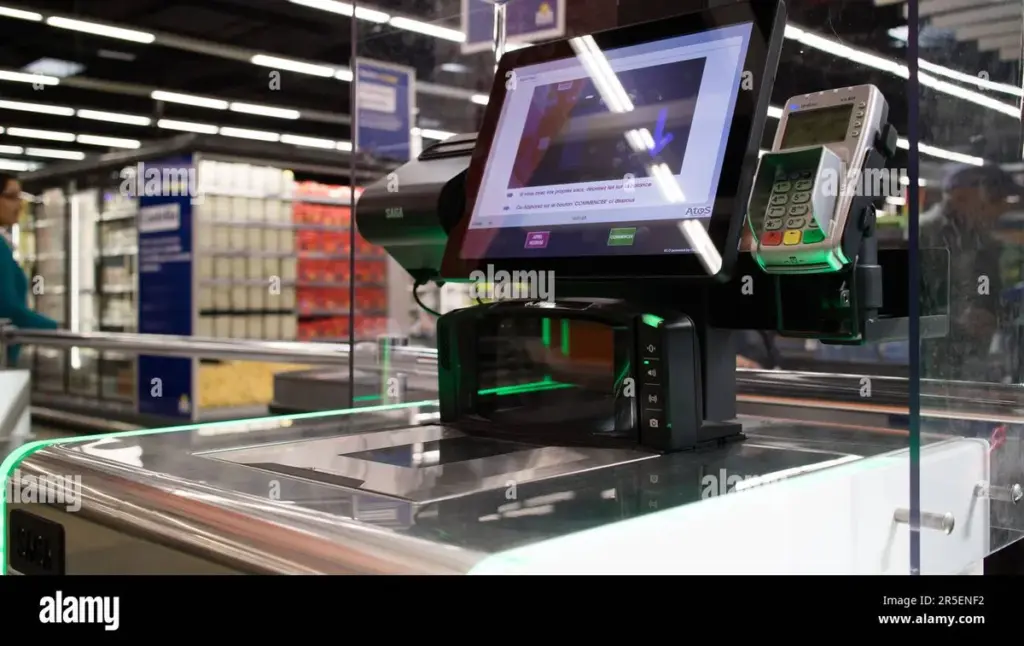
Walmart’s decision to remove self-checkout lanes at its South Philadelphia location signals a significant shift in the retail landscape, driven largely by rising theft concerns. This store is now the only Walmart in the city without self-service technology, as retailers reassess their approach to customer interactions.
The move responds to alarming statistics. A 2025 LendingTree survey revealed that 27 percent of shoppers admitted to deliberately stealing at self-checkout stations. Moreover, loss rates at these lanes can be up to 16 times higher than those at manned checkouts. Retail theft across the United States reached a staggering $90 billion, with self-checkout systems contributing significantly to this figure.
As Walmart plans to remodel over 650 stores nationwide, the company aims to enhance customer service and improve the checkout experience by shifting back to cashier-led lanes. A Walmart spokesperson stated, “These changes are guided by feedback from associates and customers, local shopping patterns, and the needs of the business in each community.” This reflects a broader trend in retail where companies are reconsidering automation in favor of more personalized service.
Self-checkouts became popular over the past decade as a way for retailers to cut labor costs and expedite transactions. However, many are now questioning whether this technology truly benefits customers or merely increases opportunities for theft. Lawmakers in several states are also considering new regulations regarding self-checkout systems, indicating that this issue may soon attract further scrutiny.
Retailers are responding by introducing stricter item limits and increasing employee supervision at self-checkout stations. This shift aims not only to curb theft but also to enhance customer satisfaction—an essential element for businesses trying to retain loyal shoppers.
The rollback on self-service technology marks a pivotal moment for retailers like Walmart, Target, and Costco as they navigate complex challenges involving retail theft, automation, and customer experience. Observers note that this trend may continue as companies adapt their strategies based on community needs.
As Walmart moves forward with its remodeling plans and adjusts its checkout practices, it remains clear that the conversation around automation and customer service will be critical for retailers aiming to thrive in an evolving market.