In recent days, tensions between the United States and Iran have reached a boiling point, particularly surrounding the crucial Strait of Hormuz. President Donald Trump has made headlines with his impulsive threats, including a warning to bomb Iran’s civilian power plants if they did not reopen the Strait within 48 hours. This situation has been exacerbated by Trump’s history of erratic behavior during the Iran conflict.
On March 20, 2026, Trump announced that he would postpone military strikes against Iranian power plants for five days, citing what he described as productive conversations with Iran. However, Iran has firmly denied any such productive dialogue, calling Trump’s claims into question.
Trump’s threats have included the total decimation of Iran if his demands are not met, which has raised alarms both domestically and internationally. In response to these threats, Iran has pledged to close the Strait indefinitely and has warned of further strikes on neighboring countries’ gas and oil production if its energy infrastructure is targeted.
Following Trump’s announcement, oil prices saw a significant drop, with WTI crude oil falling over 12%, from a previous price of $100 to $84. This decline reflects the market’s reaction to the heightened tensions and uncertainty surrounding the situation.
Trump expressed optimism about the discussions, stating, “I AM PLEASED TO REPORT THAT THE UNITED STATES OF AMERICA, AND THE COUNTRY OF IRAN, HAVE HAD, OVER THE LAST TWO DAYS, VERY GOOD AND PRODUCTIVE CONVERSATIONS REGARDING A COMPLETE AND TOTAL RESOLUTION OF OUR HOSTILITIES IN THE MIDDLE EAST.” However, observers remain skeptical of the validity of these claims.
As the situation unfolds, the long-term implications of Trump’s decision to postpone military strikes remain uncertain. The exact nature of the conversations between Trump and Iran is still unclear, and many are left wondering what the next steps will be.
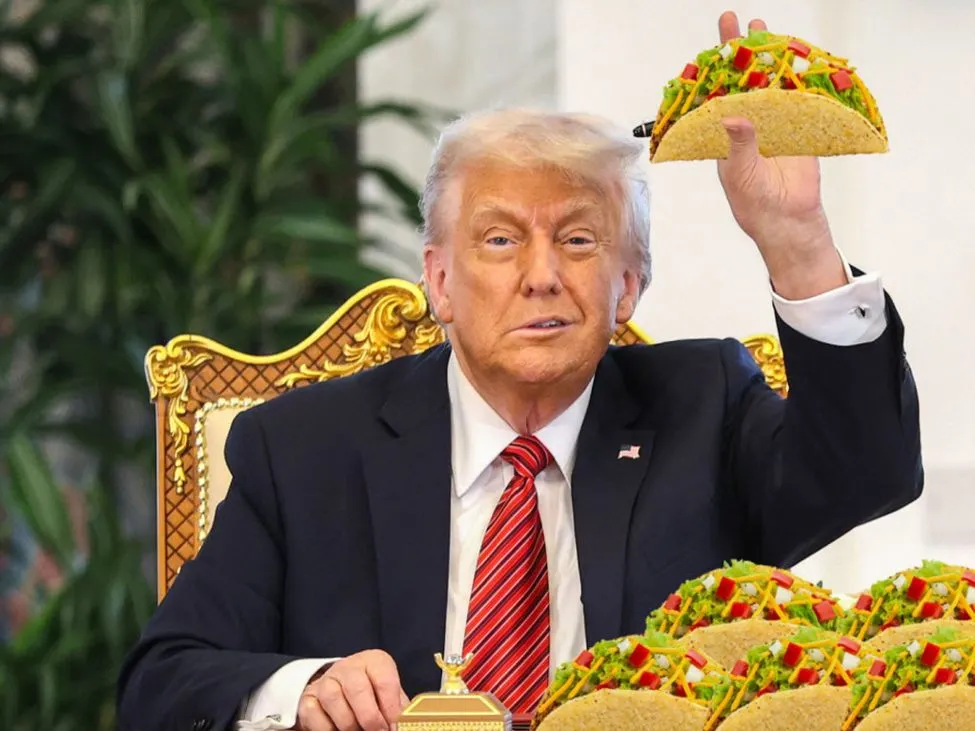
In the midst of these serious discussions, some may cry, “TACO!” And they’d be right, as the term has become a lighthearted reference amid the escalating tensions.
With oil prices fluctuating and international relations hanging in the balance, the world watches closely to see how this conflict will develop. Trump’s central war aim appears to be the reopening of the Strait of Hormuz, a vital passage for global oil shipments.
As officials continue to monitor the situation, it remains to be seen how both parties will navigate this complex landscape. Observers are left to ponder the future of U.S.-Iran relations and the potential for further escalation.
Details remain unconfirmed, but the stakes are high for both nations and the global economy.