In the past, Taiwan was often viewed through the lens of its rich cultural traditions and its complex relationship with China. The island is known for its vibrant festivals and religious practices, which have been a source of pride for its people. However, the global landscape has shifted, and Taiwan is now increasingly recognized for its technological prowess, particularly in the semiconductor industry.
The decisive moment came with the rise of the Taiwan Semiconductor Manufacturing Company (TSMC), which currently holds a remarkable 62% of the total foundry market. This dominance is underscored by TSMC’s plans to raise its capital expenditure forecast to $56 billion for 2026, reflecting the company’s commitment to expanding its capabilities in an ever-evolving market.
As TSMC continues to thrive, the implications for Taiwan are profound. The company not only contributes significantly to the economy but also plays a crucial role in global supply chains. Ken Griffin’s stake in TSMC, valued at approximately $909 million, highlights the international interest in Taiwan’s technological advancements.
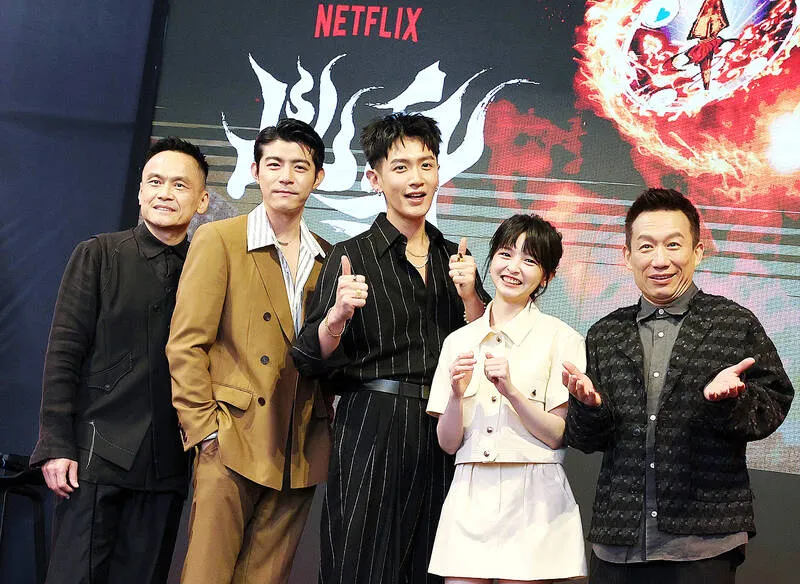
Amidst these developments, Taiwan’s cultural identity remains strong. The recent Netflix show “Agent from Above” has brought Taiwanese religious traditions to a broader audience, featuring a character who embodies a Chinese deity. As Tomi Kuo notes, “[These elements] may be common in Taiwan, but to foreigners, they are actually very new and interesting.” This cultural representation serves to bridge the gap between tradition and modernity.
However, the political landscape is also evolving. Cheng Li-wun, head of the opposition Kuomintang party, emphasizes that “defense alone cannot guarantee stability,” reflecting the ongoing tensions with China, which views Taiwan as part of its territory. The ruling Democratic Progressive Party prioritizes strengthening defense capabilities, yet Taiwan’s military budget increase has faced delays in parliament.
As Taiwan navigates these complex dynamics, the balance between preserving its cultural heritage and advancing its technological frontiers is crucial. The island’s ability to adapt and innovate while honoring its traditions will define its future.
In summary, Taiwan stands at a crossroads, where its rich cultural tapestry intertwines with its role as a global technology leader. The world watches closely as this vibrant democracy continues to evolve, showcasing the resilience and creativity of its people.