What Happened
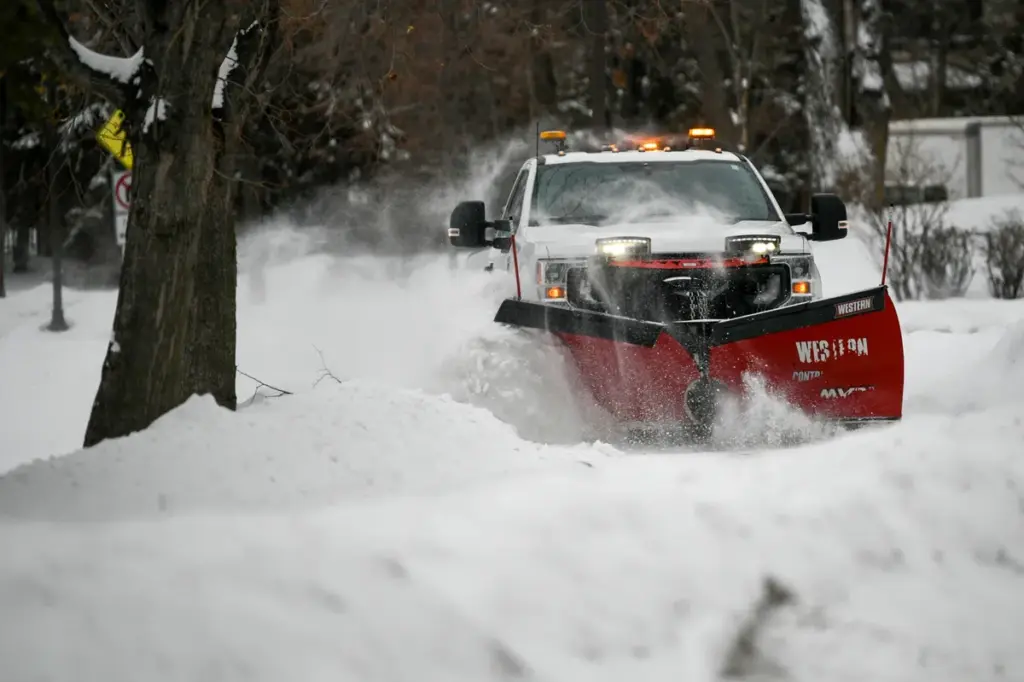
A significant winter storm, referred to as a tempête hivernale, is currently impacting over 40 million people in the northeastern United States. The storm is expected to bring up to 90 cm of snow in certain areas, accompanied by gusts of wind reaching 90 km/h and severely reduced visibility. As of Monday, February 23, reports indicate that New York City has already received between 40 and 50 cm of snow, with an additional 4 to 7 cm anticipated by the evening.
Providence, Rhode Island, has recorded a staggering 83 cm of snow, with totals potentially reaching 90 cm by nightfall. The National Weather Service has also issued warnings for possible flooding in parts of New York, New Jersey, and Massachusetts. In response to the storm, governors from eight states, including New York and New Jersey, have declared states of emergency.
Why It Matters
The storm has resulted in widespread power outages, affecting approximately 570,000 households, with over 285,000 in Massachusetts alone. Travel restrictions and bans have been implemented in several states as conditions worsen, leading to the cancellation of thousands of flights. Meteorologists warn that severe weather conditions are expected to persist through Monday, impacting not only the U.S. but also Canadian provinces, particularly in Eastern Quebec and the Maritime provinces.
What’s Next
As the storm progresses, residents are advised to stay updated on weather alerts and follow local authorities’ guidance. The National Weather Service predicts that the storm will continue to intensify, with hazardous travel conditions likely to persist. Communities in the affected areas are urged to prepare for potential disruptions and to take necessary precautions against the severe weather.