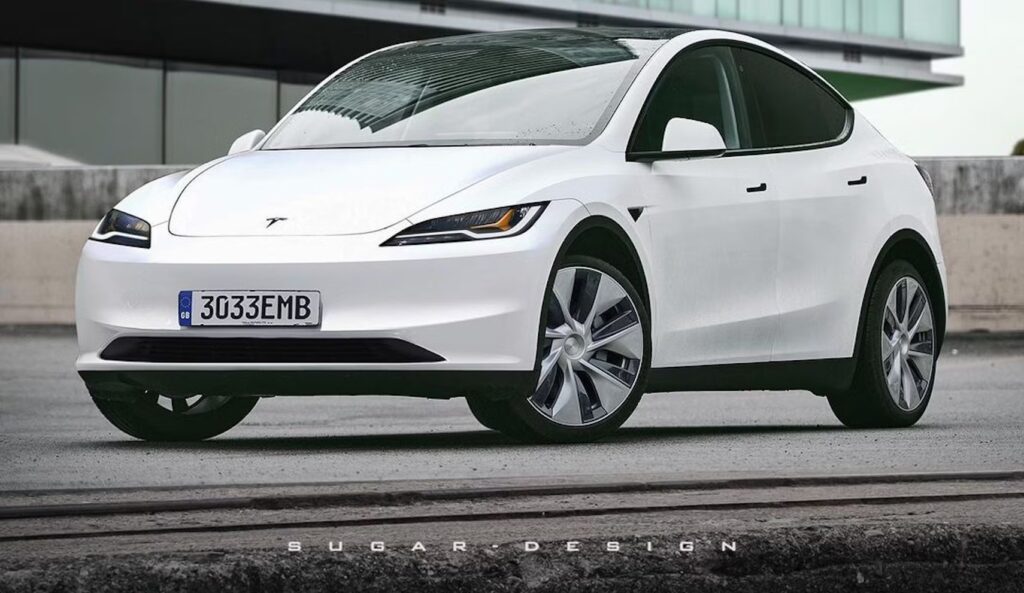
Introduction
The Tesla Model Y has rapidly emerged as a pivotal player in the electric vehicle market since its launch. As an all-electric compact SUV, it emphasizes sustainability, technological innovation, and performance, appealing to a growing demographic concerned about climate change and interested in electric mobility. With increasing demand for electric vehicles across North America, understanding the Model Y’s features and market relevance is crucial for consumers and automotive enthusiasts alike.
The Features of Tesla Model Y
Launched in March 2020, the Tesla Model Y has quickly garnered attention due to its impressive specifications. The vehicle offers a range of approximately 300 miles on a single charge, depending on the selected variant. With seating capacity for up to seven passengers, it blends practicality with performance, boasting a 0 to 60 mph acceleration time of just 3.5 seconds in its Performance version.
In addition to its performance, the Model Y incorporates Tesla’s advanced Autopilot capabilities, which provide semi-autonomous driving features. Over-the-air software updates allow the vehicle to improve its functionality, ensuring owners benefit from the latest advancements without needing to visit a dealership. The spacious interior, extensive storage options, and panoramic glass roof further enhance the driving experience, confirming its position as a family-friendly electric SUV.
Market Impact and Reception
Consumer response to the Tesla Model Y has been overwhelmingly positive. According to reports from the Automotive News Data Center, the Model Y is projected to be one of the best-selling vehicles in the United States by 2023. Factors contributing to its popularity include its competitive price point relative to traditional SUVs and tax incentives for electric vehicle purchases across various provinces in Canada.
In addition to high demand, the Model Y is positioned as a significant player in Tesla’s ongoing competition with other electric vehicle manufacturers, such as Ford and General Motors. The competition in the electric SUV segment is heating up, compelling manufacturers to innovate at a rapid pace to capture consumer interest.
Conclusion
The Tesla Model Y represents a significant step forward in sustainable transportation, combining advanced technology with everyday practicality. As the demand for electric vehicles continues to rise, the Model Y’s impact on the automotive landscape is expected to expand, prompting changes in consumer preferences and enhancing competition within the electric vehicle sector. Looking ahead, Tesla’s ongoing commitment to innovation will likely secure the Model Y’s place as a mainstay in the evolving market of electric SUVs.