Exploring the Narrative of ‘The Bride’
“I prefer not,” states the Bride, a character brought to life in a unique cinematic experience directed by Maggie Gyllenhaal. This film, aptly titled The Bride!, delves into the complexities of identity and autonomy against the backdrop of 1930s Chicago.
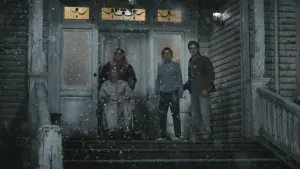
Set in an era characterized by its gangster aesthetics and gothic storytelling, The Bride! features Jessie Buckley in the titular role and Christian Bale as Frankie. The film intertwines elements of monster movie, dark comedy, crime story, and rebellious fantasy, creating a narrative that is both intriguing and provocative.
The story revolves around the Bride, who is resurrected by Dr. Euphronious to serve as a companion for Frankenstein’s monster. This resurrection is not merely a plot device; it serves as a commentary on the themes of autonomy and identity. The Bride’s character is sometimes referred to as Ida or Penelope, further emphasizing her multifaceted identity.
Mary Shelley, the author of the original novel, plays a significant role in the film’s narrative. The Bride possesses a telepathic connection to Shelley, who narrates the story, adding a layer of depth to the character’s journey. This connection highlights the ongoing struggle for self-definition in a world that often seeks to impose identities upon individuals.
The cinematography by Lawrence Sher and the production design by Karen Murphy contribute to the film’s distinctive visual style, merging the aesthetics of the gangster era with gothic elements. The film’s runtime exceeds two hours, allowing for an expansive exploration of its themes and characters.
Critics have noted that while The Bride! aims for revolution, it sometimes delivers what has been described as empty provocation. One viewer remarked, “I walked out of the theater feeling like I had just watched one of the strangest big studio monster movies ever made.” Such reactions underscore the film’s polarizing nature.
As The Bride! continues to screen in theaters, audiences are left to grapple with its complex themes and striking visuals. The film’s unique take on the classic monster narrative invites viewers to reflect on their own identities and the societal constructs that shape them. Details remain unconfirmed regarding its broader impact, but the conversation it has sparked is undeniable.