Introduction
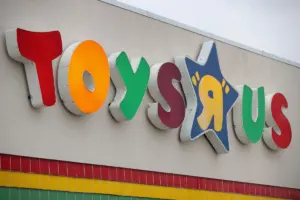
Toys R Us, once a leading name in the toy retail market, is experiencing a resurgence that has captured the attention of both consumers and industry analysts. The toy retailer, known for its vast selection and iconic Geoffrey the Giraffe mascot, suffered financial hardships that led to its bankruptcy in 2017. However, recent developments indicate a strategic comeback aimed at reclaiming its position in the competitive retail landscape.
Details of the Resurgence
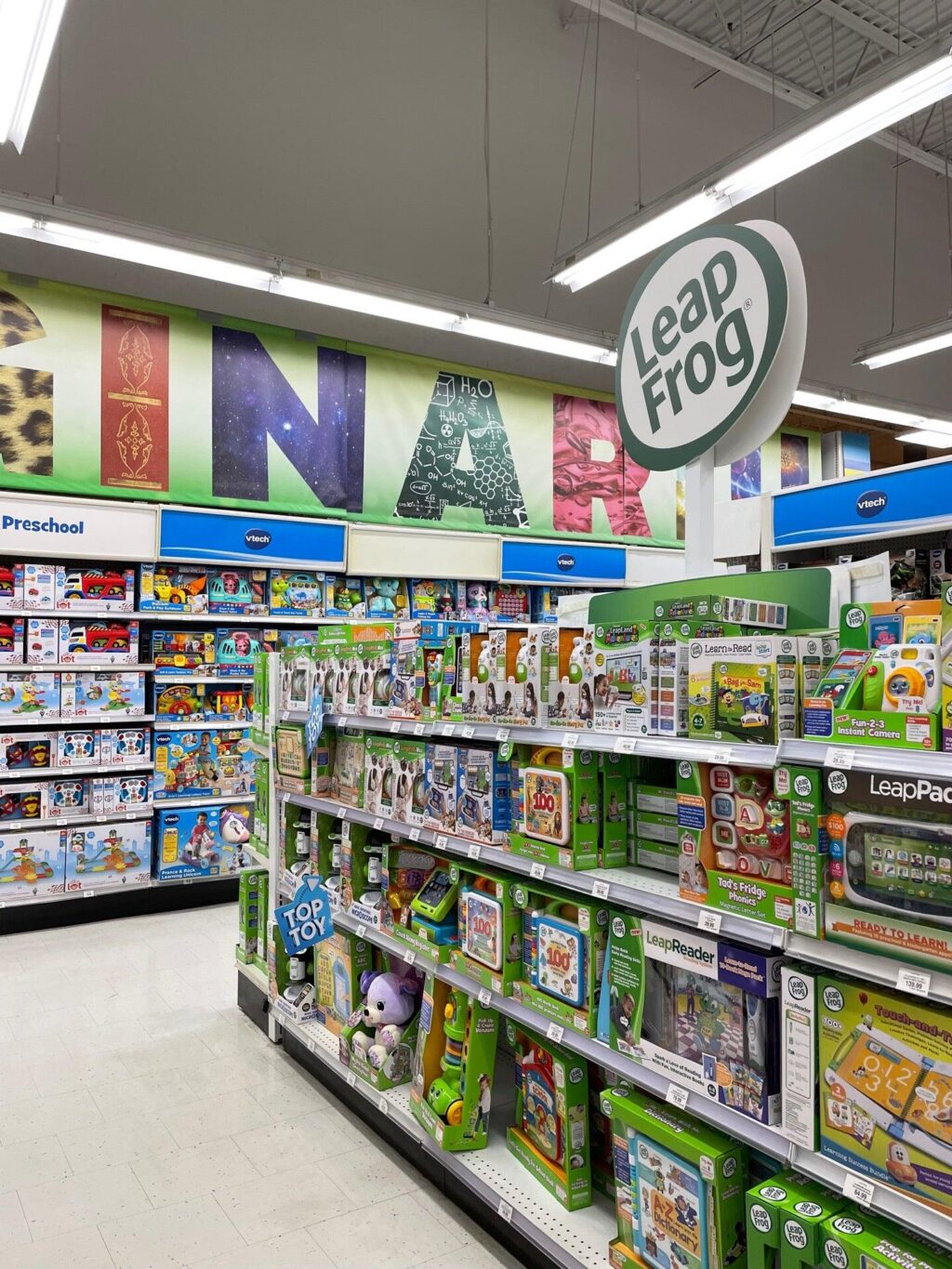
In 2021, Toys R Us announced its re-entry into the market through partnerships with various retail giants, including Macy’s, where the brand has opened mini-stores within existing Macy’s locations. This strategy allows Toys R Us to benefit from limited overhead costs while leveraging Macy’s well-established customer base. Additionally, an online retail presence has been enhanced, targeting the e-commerce shopping habits that surged during the pandemic.
The company has diversified its product offerings to appeal to a broader demographic, featuring more educational toys and inclusive gaming options. This shift reflects changing consumer preferences and the growing demand for toys that encourage learning and development. Furthermore, the limited editions and collaborations with popular franchises have rekindled excitement among collectors and enthusiasts alike.
Consumer Response and Market Outlook
The response from consumers has been promising, with initial reports indicating increased foot traffic to locations featuring Toys R Us mini-stores. Engaging marketing campaigns and nostalgic appeals to customers who grew up with the brand have also helped to invigorate interest.
Experts suggest that the comeback of Toys R Us could reshape the landscape of the toy retail industry. As families are increasingly looking for localized shopping experiences, the unique partnership with Macy’s positions Toys R Us to become a significant player once again. It is anticipated that the success of this initiative could inspire similar models among other retailers struggling with the transition to hybrid shopping environments.
Conclusion
In conclusion, the resurrection of Toys R Us indicates a larger trend towards adapting traditional retail formats to meet current consumer behaviors. As the toy retailer incorporates innovative strategies and partnerships, its future looks promising. The evolution of Toys R Us may not only signal a new chapter for the brand but also potentially influence the direction of the retail industry as a whole. For consumers, this means more access to beloved toy brands and perhaps the revival of the joyful experience associated with shopping for toys.