Introduction
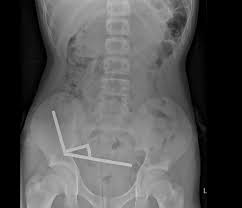
Swallowing magnets has become an alarming trend among children and adolescents, leading to significant health risks and medical emergencies. Magnets are commonly found in various toys, household items, and even some electronic devices. The rise in incidents of magnet ingestion has drawn attention from health officials and parents alike, as the potential for severe gastrointestinal injuries remains high. Understanding the risks associated with swallowing magnets is crucial for preventing accidents and safeguarding children.
Recent Incidents and Health Risks
According to a report from the American Academy of Pediatrics, there has been a concerning increase in reports of children swallowing small magnets. In 2021, hospitals in Canada and the United States noted an uptick in emergency room visits related to magnet ingestion. Swallowed magnets can lead to serious health complications, including intestinal perforation, blockage, or infection.
Medical professionals emphasize that when multiple magnets are swallowed, they can attract each other through intestinal walls, leading to tissue necrosis. This can result in emergency surgical interventions, which are both risky and costly. On average, the cost of treating injuries from magnet ingestion can reach thousands of dollars per incident.
Prevention and Awareness
Parents and caregivers must be vigilant about the items present in their homes, especially with small children. Health authorities advise keeping small magnets and any items containing them out of reach. Moreover, toy manufacturers have been urged to implement stricter safety standards to limit the availability of small, detachable magnets in children’s products.
There is also a need for more substantial public awareness campaigns to educate parents on the dangers associated with magnet ingestion. Schools and community centers can play a crucial role in spreading awareness by hosting informational sessions, distributing pamphlets, and increasing conversation around safe play practices.
Conclusion
The dangers of swallowing magnets, especially among children, necessitate urgent attention and preventive action. With rising incident rates and associated health complications, it is pivotal for parents, educators, and health officials to work together in promoting safety. Ensuring that children understand the risks of ingesting non-food items, as well as making conscious choices about the toys and items they interact with, will be key in reducing accidents. As we move forward, continued efforts towards education, combined with stringent safety regulations on toys, can help protect children from this hidden danger.