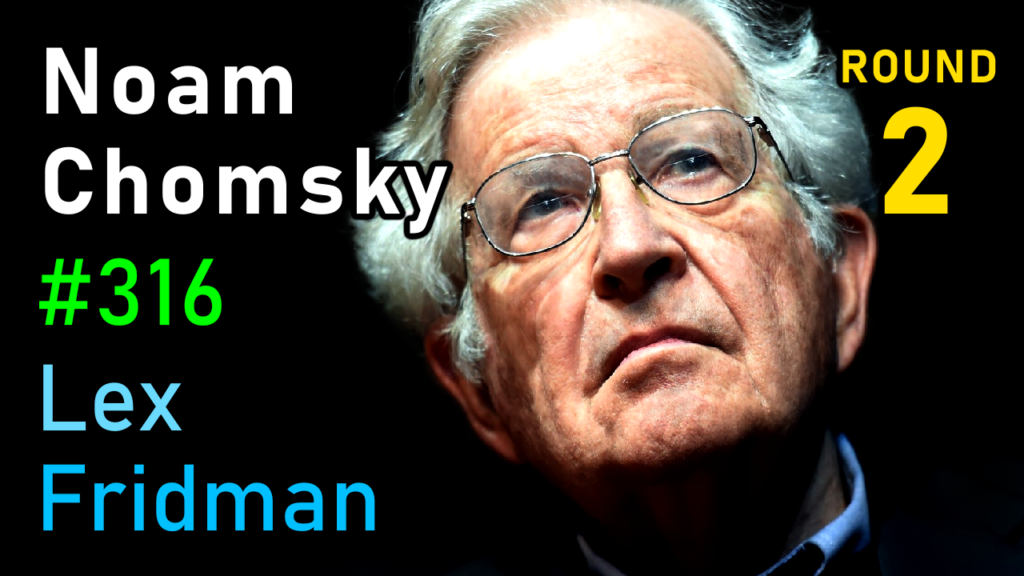
Introduction: A Linguistic Pioneer and Activist
Noam Chomsky, born on December 7, 1928, is widely regarded as one of the most influential intellectuals of the 20th century. His groundbreaking work in the field of linguistics has not only reshaped our understanding of language but has also inspired a generation of thinkers dedicated to social justice and political activism. As the world continues to grapple with complex political and social issues, Chomsky’s insights remain relevant and impactful.
The Chomskyan Revolution in Linguistics
Chomsky revolutionized the field of linguistics in the 1950s with his theory of Universal Grammar, suggesting that the ability to acquire language is inherent to all humans. This concept challenged the prevailing behaviorist theories of language acquisition, emphasizing instead the unique cognitive abilities of human beings. His contributions have paved the way for vast fields of study, intertwining psychology, cognitive science, and philosophy.
His 1957 publication, Syntactic Structures, introduced innovative ideas about the structure of language, and subsequent works including Aspects of the Theory of Syntax solidified his status as a foundational figure in modern linguistics. Chomsky’s theories have influenced not only academic discourse but also practical applications in linguistics, such as language education and artificial intelligence.
Political Activism and Critique of Power
In addition to his linguistic achievements, Chomsky is a vocal critic of U.S. foreign policy and capitalism. His works, such as Manufacturing Consent, co-authored with Edward S. Herman, provide a critical analysis of mass media and its role in shaping public perception and opinion. His arguments advocate for the need for an informed and active citizenry that challenges the dominant narratives often perpetuated by mainstream media.
Chomsky’s political activism is reflected in his engagement with social movements, his critique of imperialism, and advocacy for human rights. His commentary has focused on the ethics of war, environmental crises, and global inequality—issues that resonate deeply with contemporary audiences.
Conclusion: A Legacy that Inspires
Noam Chomsky’s work continues to influence not only the fields of linguistics and cognitive science but also the broader political landscape. His commitment to intellectual rigor and social justice serves as a beacon for future generations. As global challenges mount, Chomsky’s analyses encourage critical thinking and inspire action against injustice.
Looking forward, the significance of his ideas in both linguistics and social activism remains ever-present. Engaging with Chomsky’s work invites a deeper understanding of language and power dynamics in society, urging individuals to examine the world critically and advocate for change.