Introduction
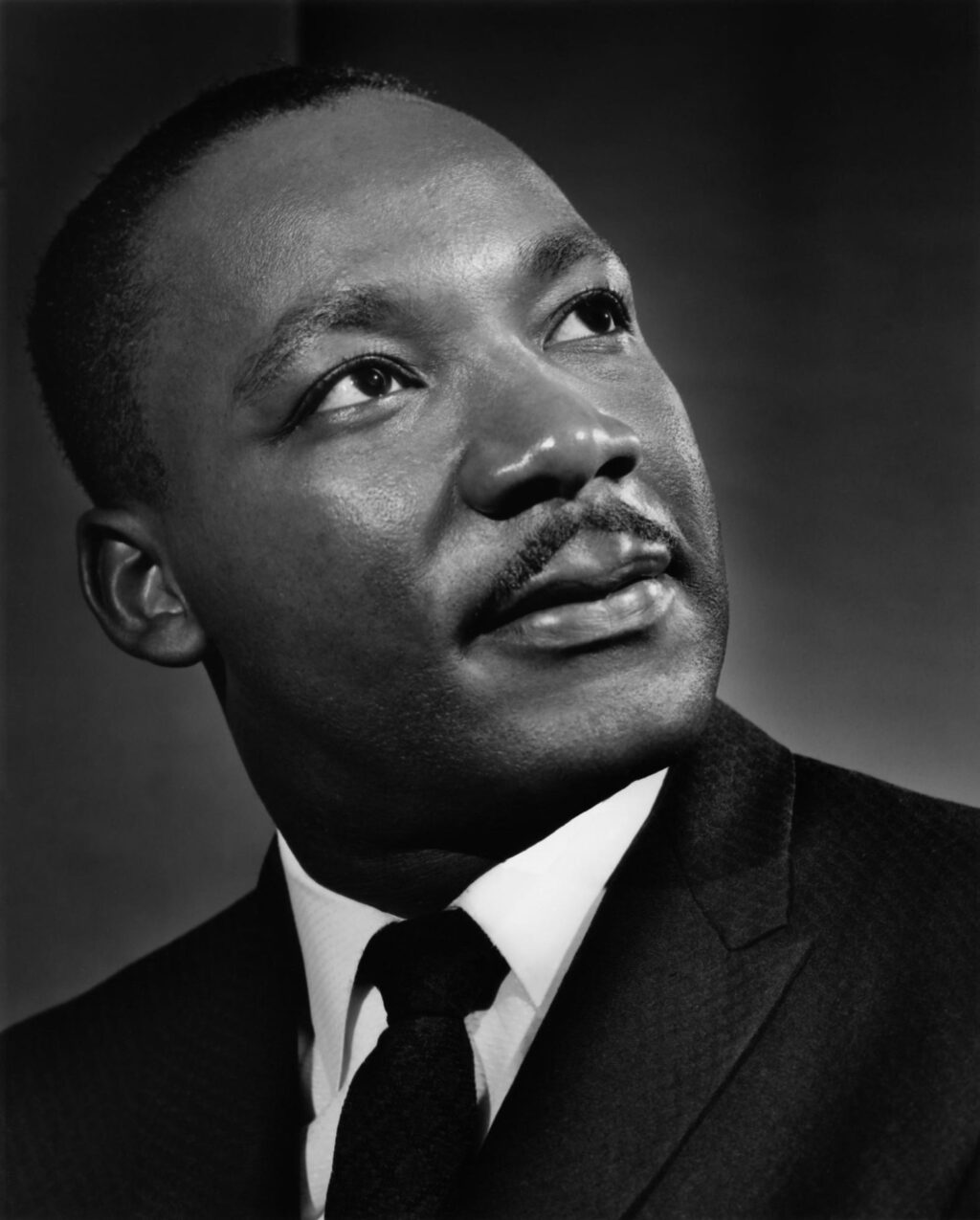
Martin Luther King Jr. remains one of the most important figures in American history, known for his pivotal role in the civil rights movement during the 1950s and 1960s. His advocacy for nonviolent protest and his commitment to achieving racial equality continue to resonate today, making his teachings relevant in contemporary discussions on social justice. As we approach a new wave of activism, understanding King’s legacy becomes increasingly vital.
Key Contributions
King’s influence stretched far beyond his famous “I Have a Dream” speech delivered during the 1963 March on Washington. He organized numerous peaceful protests, advocated for voter registration, and fought against systemic racism in all forms. His efforts were landmark events that led to significant legislative changes, including the Civil Rights Act of 1964 and the Voting Rights Act of 1965.
Commemoration and Current Events
In 2023, various events took place across Canada and the United States to honor King’s legacy. Educational programs, community discussions, and civic gatherings highlighted ongoing issues of racial inequality and social injustice, showing that, while progress has been made, much work remains. The Martin Luther King Jr. Day, celebrated in January, serves as a powerful reminder for individuals to engage in community service and advocacy.
Conclusion
As we reflect on the impact of Martin Luther King Jr., it is clear that his vision for a just society is still a work in progress. His teachings inspire generations to continue the fight against discrimination and inequality. Moving forward, King’s message is more significant than ever; as activists chant and march for change, we are reminded that the struggle for justice is ongoing. Readers are encouraged to engage in discussions about King’s work, educate themselves on issues regarding civil rights, and participate in initiatives aimed at fostering inclusion and equality.