Introduction
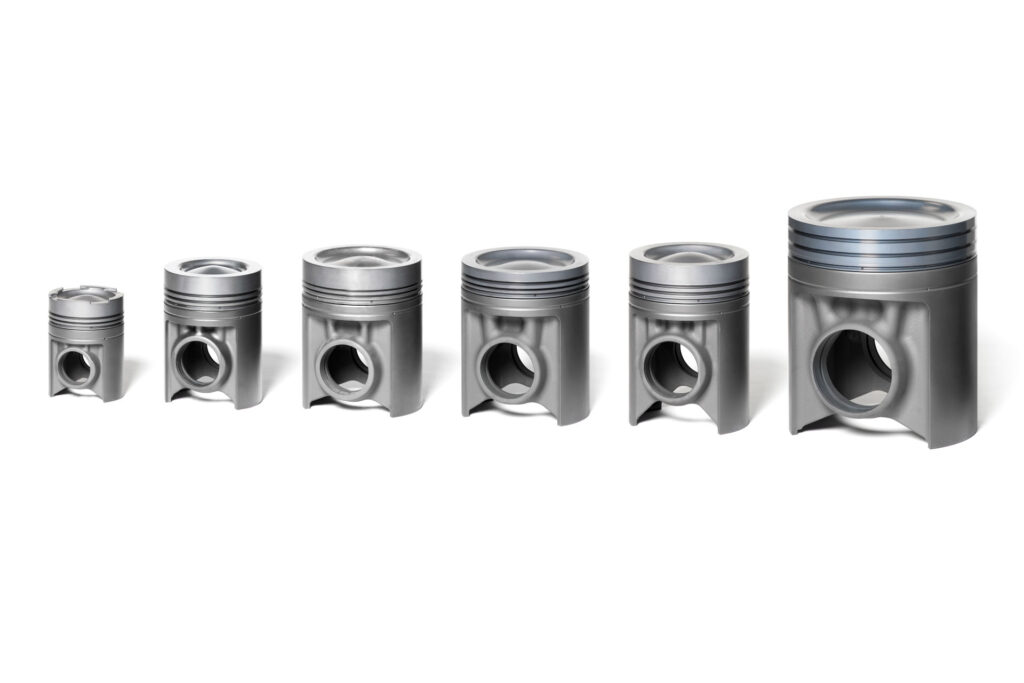
Pistons are crucial components in various engines, from automobiles to heavy machinery. Understanding their function and significance is essential for industries relying on mechanical performance and efficiency. As technology advances, the development and innovation surrounding pistons continue to shape various sectors, particularly automotive engineering.
The Function and Importance of Pistons
Pistons serve as the moving components within a cylinder, converting pressure from expanding gases into mechanical energy. This process is fundamental to internal combustion engines, where fuel combustion creates pressure that pushes the piston down, ultimately powering the vehicle. With the automotive industry facing increasing pressures for efficiency and emissions control, the design and material of pistons are undergoing significant innovations. Modern pistons are often made from lightweight materials such as aluminum alloys, reducing weight and improving fuel efficiency.
Recent Developments in Piston Technology
Recent advancements include the integration of smart technology within piston design. For example, manufacturers are now incorporating sensors to monitor conditions such as temperature and pressure in real time. This data can lead to predictive maintenance, reducing the risk of engine failure. Additionally, research is ongoing into the development of high-performance pistons that can withstand extreme conditions, essential for racing engines and heavy-duty applications.
Market Trends and Future Outlook
The global demand for pistons is expected to rise, driven by increasing automotive production and the growth of the electric and hybrid vehicle market. While traditional internal combustion engines still dominate, the shift towards electric vehicles (EVs) is spawning new challenges and opportunities for piston manufacturers. Companies are investing in alternative technologies, and some are exploring the use of pistons in hydrogen fuel-cell applications.
Conclusion
Pistons play a vital role in translating energy into motion, essential for the performance of countless machines, particularly in the automotive industry. As innovations continue, the design and functionality of pistons will evolve, influencing not just vehicles but also the broader field of engineering. Understanding these components and their advancements is crucial for readers interested in automotive technology, engineering, and sustainable practices. With ongoing developments, the future of pistons looks promising, paving the way for enhanced performance and efficiency in various applications.