Introduction
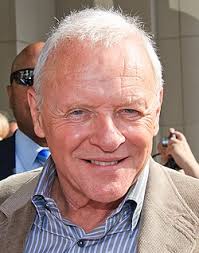
Sir Anthony Hopkins is widely regarded as one of the greatest actors in cinematic history. With a career spanning over six decades, he has captivated audiences with his formidable presence and unmatched talent. His work in film and theater not only garnered numerous accolades but also cemented his status as an influential figure in the arts. The importance of understanding his contributions is vital in appreciating the evolution of modern cinema and the profound impact of his performances.
Early Life and Career
Born on December 31, 1937, in Margam, Wales, Anthony Hopkins showed an early interest in the arts, studying at the Royal Welsh College of Music & Drama. He started his professional career in theater before transitioning to film. His breakthrough came in 1968 with the British film “The Lion in Winter,” where he starred alongside legendary actors like Katharine Hepburn and Peter O’Toole. This role began to showcase his talent and versatility.
Iconic Roles and Achievements
Hopkins reached international acclaim with his portrayal of Dr. Hannibal Lecter in “The Silence of the Lambs” (1991). The performance earned him an Academy Award for Best Actor and solidified his place in cinematic history. This role was followed by notable performances in films such as “The Remains of the Day,” “Legends of the Fall,” and “The Father,” which won him his second Oscar in 2021.
Throughout his career, Hopkins has amassed multiple awards, including BAFTAs, Emmys, and Golden Globes, showcasing his broad range as an actor across genres. His ability to embody complex characters allows him to tackle challenging roles from historical figures to psychological thrillers.
Legacy and Influence
As a mentor to younger actors and a respected figure in the industry, Hopkins emphasizes the importance of dedication and passion in acting. He remains active in film and television, continually contributing to the cinematic landscape. His approach to acting has inspired countless performers and has been a subject of study in drama programs worldwide.
Conclusion
The legacy of Anthony Hopkins transcends his filmography; it is about the art of storytelling and the deep connections forged through performance. As audiences, we are reminded of the power of cinema to engage, challenge, and evoke emotion—a testament to Hopkins’ extraordinary career. Looking ahead, one can only anticipate the ongoing impact of his work as he continues to influence new generations of actors.