Understanding the Government Shutdown
Government shutdowns can disrupt various aspects of public life, and their impact on airports is a concern for travelers and airlines alike. As recent events have shown, the operations of airports are intricately linked to government funding and staffing, notably the Transportation Security Administration (TSA) and air traffic control services.
Current Events Related to Government Shutdown
In Canada, the recent talk of a potential government shutdown has raised alarms among aviation stakeholders. Proposals to cut government spending have included discussions about federal aviation funding, causing concern about how such cuts could impact airport operations and flight safety.
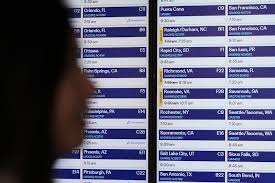
This reflects a larger trend, observed in the U.S. and abroad, where government austerity directly affects air transport infrastructure and staff availability. During the last significant U.S. government shutdown, flight delays and staffing shortages at TSA checkpoints led to long lines, significantly impacting travelers.
Effect on Travelers and Airlines
During a government shutdown, travelers may face increased wait times at security checkpoints due to a reduction in TSA staffing. This can lead to missed flights, increased passenger frustration, and significant economic repercussions for airlines that rely on smooth operations to maintain schedules. For example, reports from previous shutdowns indicated that delays at major airports could average over two hours, leading to an estimated loss of millions in airline revenue.
Moreover, essential services such as customs and border protection may also be affected, leading to potential backup at international airports. This places additional pressures on airport operations and raises questions about passenger safety and security.
Conclusion and Forecast
As discussions continue regarding government budget cuts and their effects, it is vital for travelers to remain informed about potential disruptions. If a government shutdown occurs, airports will likely implement contingency plans, including enhanced communications to ensure that waiting passengers are aware of possible delays.
Ultimately, government shutdowns can have far-reaching implications for air travel, and stakeholders will need to advocate for funding and staffing that prioritize safety and efficiency in aviation. For travelers, staying updated on these developments can help minimize the impact caused by unexpected events.