Introduction
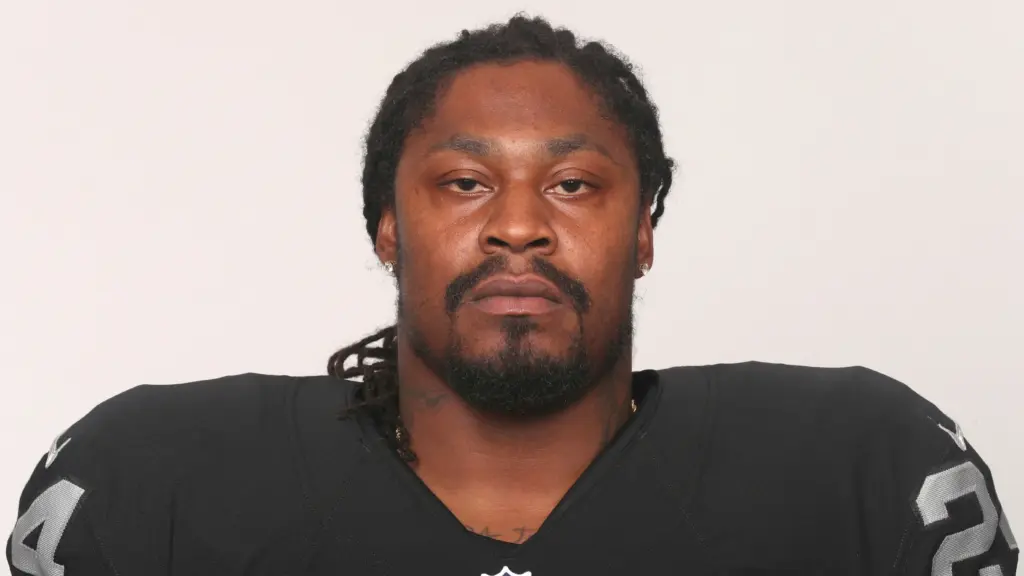
Marshawn Lynch, also known as “Beast Mode,” is a former professional American football player whose electrifying performances have left an indelible mark on the NFL. His unique style of play, characterized by his powerful running and unapologetic personality, made him a fan favorite and a notable figure in sports culture. Understanding Lynch’s career is crucial as it reflects not only his athletic prowess but also broader conversations about player activism, mental health, and athlete branding.
Early Career and Rise to Stardom
Born on April 22, 1986, in Oakland, California, Lynch gained national attention while playing for the University of California, Berkeley. Drafted by the Buffalo Bills in the first round of the 2007 NFL Draft, he quickly established himself as a force to be reckoned with, earning accolades such as the NFL Offensive Rookie of the Year in his debut season. However, it was with the Seattle Seahawks that Lynch truly became a household name.
Memorable Moments in Seattle
During his tenure with the Seahawks from 2010 to 2015, Lynch embodied the spirit of the team and their formidable rushing attack. His most iconic moment came in the 2011 NFC Wild Card game, where he executed a stunning 67-yard touchdown run, which is often referred to as the “Beast Quake.” This play not only solidified his legacy in Seattle but also reverberated throughout the football world, showcasing his combination of speed, determination, and ability to break tackles.
Retirement and Personal Advocacy
Following his retirement in 2015, Lynch briefly returned to the NFL in 2017 with the Oakland Raiders, further endearing him to fans. Beyond the field, Lynch has been vocal about issues such as mental health and social justice. His efforts include donating to youth programs and advocating for financial literacy, demonstrating that he is more than just a football player; he is a role model committed to positive change.
Conclusion
Marshawn Lynch’s journey highlights significant aspects of modern sports, particularly the intersection of athlete influence and social responsibility. As a cultural icon, Lynch not only changed the way the game is played but also how athletes interact with their platforms and communities. His legacy will continue to inspire future generations, reminding us that sports can be a powerful vehicle for change. Fans and analysts alike can only anticipate how Lynch will further develop his brand and advocacy initiatives in the years to come.