Introduction
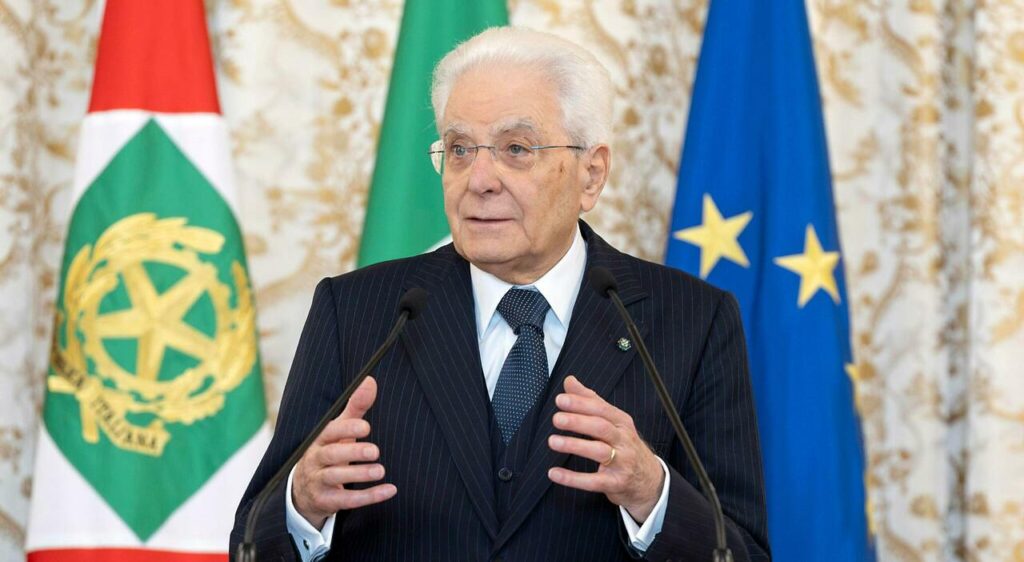
Sergio Mattarella has been a pivotal figure in Italian politics since taking office as President in February 2015. His presidency plays a crucial role in stabilizing Italy’s political scene, especially during times of crisis. As Italy faces various challenges from economic fluctuations to political fragmentation, Mattarella’s leadership and experience are increasingly relevant.
Background
Sergio Mattarella was born on July 23, 1941, in Palermo, Sicily. He comes from a prominent political family; his father, Bernardo Mattarella, was a minister in post-war Italy. Sergio’s political career began in the 1980s when he served in the Chamber of Deputies and has since held various significant positions, including Minister of Education and Minister of Defense. His appointment as President was seen as a stabilizing force amid a fragmented political environment.
Presidency and Contributions
Since his inauguration, Mattarella has been known for his calm and diplomatic approach, which is critical in a country where coalition governments are the norm. He has played a significant role in steering Italy through several crises, including the COVID-19 pandemic and political upheaval that led to changes in government. In 2021, his influence was vital in forming a national unity government under Prime Minister Mario Draghi, aimed at addressing the pandemic and economic recovery.
Furthermore, Mattarella has been an advocate for European integration and has emphasized Italy’s commitment to the European Union during turbulent times, notably during Brexit. His speeches often highlight the importance of unity and cooperation among EU member states, reflecting Italy’s strategic interests in a stable Europe.
Future Prospects
As Mattarella approaches the end of his term in 2022, the question rises about his potential re-election. His stance on various issues, including immigration and economic reforms, will be instrumental as Italy grapples with its future direction. The upcoming elections will be a crucial determinant of whether his policies will continue or if a new leadership will emerge.
Conclusion
Sergio Mattarella’s presidency has left an indelible mark on Italy during a time of significant change. His commitment to democratic principles and his ability to unite disparate political factions are vital as Italy faces its ongoing challenges. Understanding his impact will be essential for those observing Italian politics in the coming years, especially as the country prepares for potential leadership changes.