Introduction
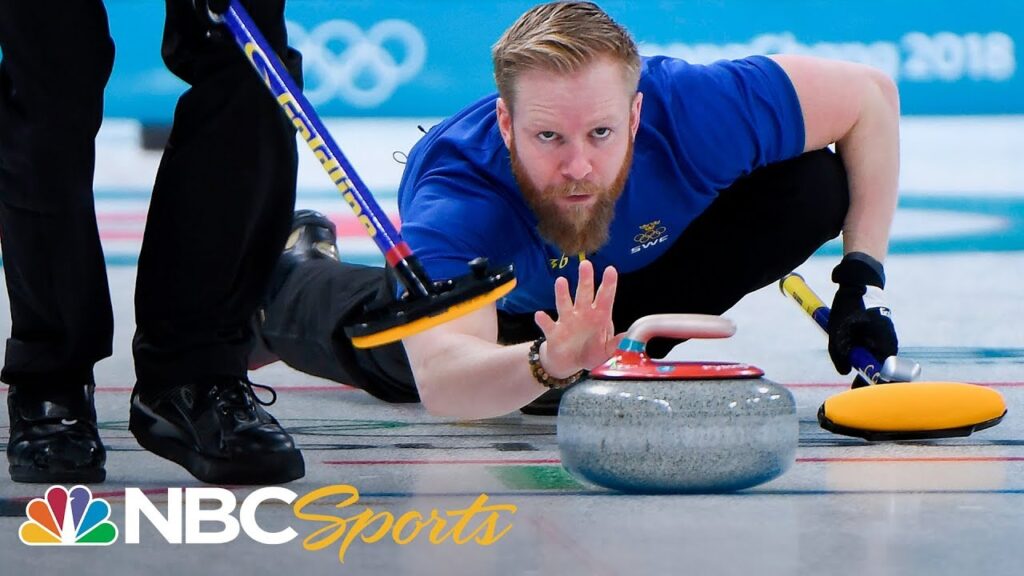
Olympic curling has gained prominence as a distinctive sport in the Winter Olympic Games, showcasing athletic skill, strategy, and sportsmanship. Originating from Scotland in the 16th century, curling has evolved into a global phenomenon, particularly beloved in Canada. The relevance of this sport extends beyond just competition; it fosters community engagement and national pride.
The Evolution of Olympic Curling
Curling made its Olympic debut as a demonstration sport in 1932 in Lake Placid, but it wasn’t until 1998 that it was officially included in the Winter Olympics. The tournament format allows for both men’s and women’s teams, each competing to slide heavy stones on a sheet of ice toward a target area. The sport has seen significant growth in popularity, with Canada consistently being a powerhouse, boasting numerous world champions.
Recent Developments and Events
As the sports community gears up for the 2026 Winter Olympics in Milan-Cortina, the preparation for curling teams has intensified. Canada is currently navigating its Olympic trials, with both established players and emerging talent vying for a chance to represent the nation. The national trials showcased remarkable skills and sportsmanship, drawing attention to the future of curling in Canada.
Impact and Significance
Curling has a unique cultural significance, particularly in Canada, where it acts as a social glue—uniting communities through local leagues and tournaments. According to Curling Canada, participation in the sport has increased dramatically, especially among youth. This growth indicates that curling is more than a game; it’s part of Canada’s national identity, echoing values such as teamwork and perseverance.
Conclusion
As we look forward to the upcoming Winter Games, Olympic curling continues to captivate audiences worldwide. With increasing participation rates and a deeper integration into Canadian culture, it exemplifies the spirit of the Olympics—bringing people together through sport. The spotlight on curling will undoubtedly shine brightly in 2026, showing that this historical sport is not just about winning medals, but about building camaraderie and community.