Introduction
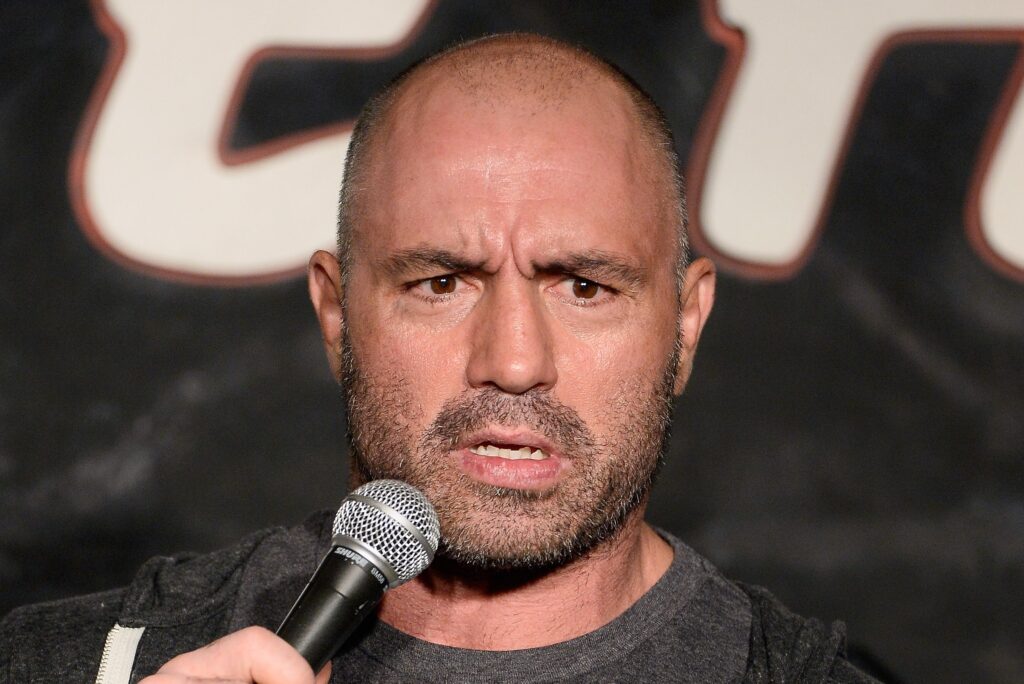
Joe Rogan, the host of the wildly popular podcast “The Joe Rogan Experience,” has become a central figure in the landscape of modern media. His podcast, which began in 2009, has amassed millions of listeners and features a diverse array of guests ranging from celebrities and politicians to scientists and everyday people. The significance of Rogan’s platform lies not only in its reach but also in its ability to spark conversations on a multitude of topics, often challenging the boundaries of traditional media discourse.
The Rise of Joe Rogan
Starting as a stand-up comedian and later gaining fame through his role on the television show “NewsRadio” and as the color commentator for the Ultimate Fighting Championship (UFC), Rogan transitioned into the podcasting realm and quickly gained traction. By 2020, Rogan signed a licensing deal with Spotify reported to be worth $100 million, propelling him further into the spotlight and underscoring the growing influence of podcasting as a medium.
Rogan’s success can be attributed to his conversational style, open-minded approach, and willingness to discuss controversial topics. His episodes often delve into areas such as politics, health, philosophy, and more, resulting in a platform that feels organic and unfiltered. As a result, listeners have formed a community around his content, leading to heightened engagement and discussion.
Controversies and Criticisms
Despite his popularity, Joe Rogan has faced substantial criticism for allowing certain guests with controversial views to appear on his show. Critics argue that this can contribute to the spread of misinformation. Notably, discussions around topics like COVID-19 and various conspiracy theories have spurred backlash from scientists and media professionals alike. Rogan has addressed these concerns, emphasizing the value of open dialogue and critical thinking, but he remains a polarizing figure in contemporary discourse.
Conclusion
As Joe Rogan continues to shape the podcasting landscape, his influence on media consumption and public opinion cannot be overstated. He invites listeners to consider varying perspectives while also inciting debate about the ethics of content moderation and the responsibilities of influential figures in media. Moving forward, it is essential for both creators and consumers to engage critically with content, ensuring that discussions foster understanding rather than division.