Introduction
The Iran flag is a powerful emblem of the country’s national identity, reflecting its rich history and cultural heritage. With recent events surrounding geopolitical tensions and internal dynamics, understanding the significance of the Iranian flag becomes even more crucial. The flag serves not only as a national symbol but also as a representation of the Iranian people’s resilience and unity in the face of challenges.
Design and Colors of the Iran Flag
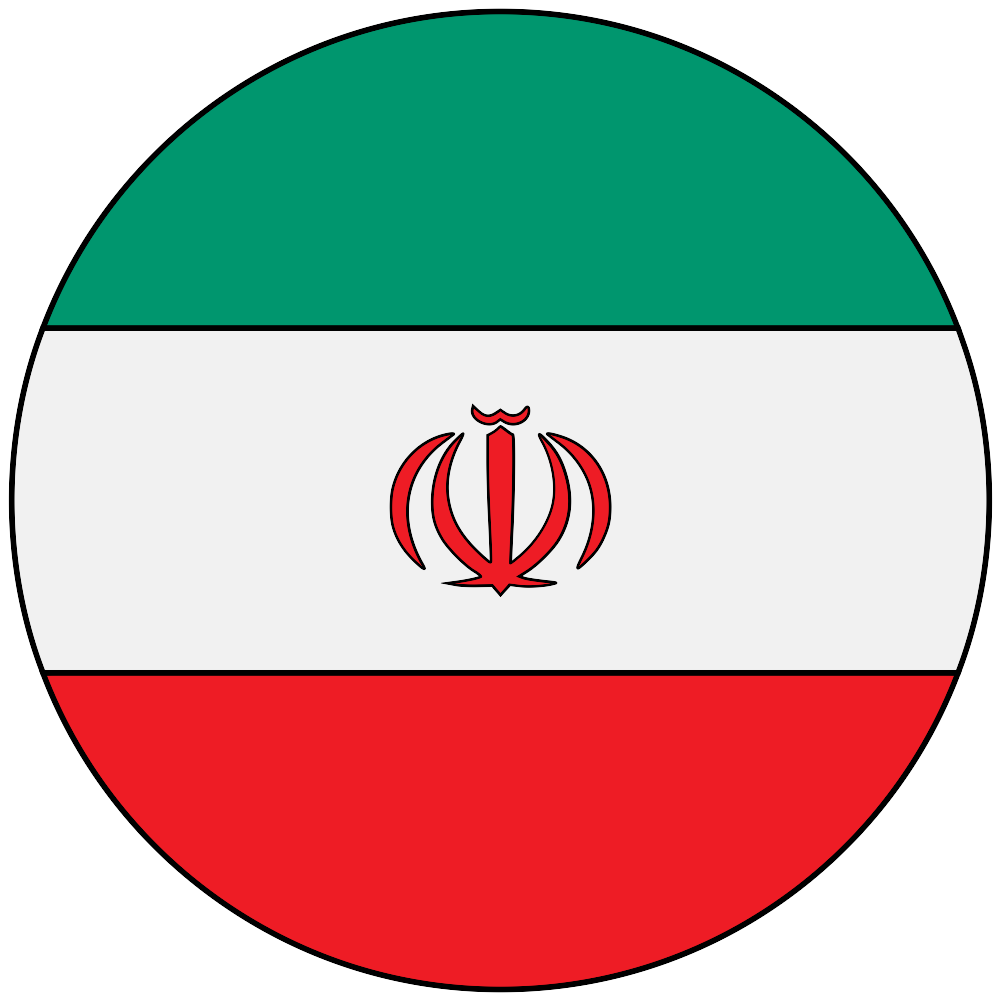
The current iteration of the Iran flag was adopted on July 29, 1980, following the 1979 revolution. Its design features three horizontal stripes of green, white, and red. Each color holds significant meaning: green symbolizes growth and the Islamic faith, white represents peace and honesty, and red stands for courage and valor. At the center of the white stripe is the emblem of Iran, which consists of a stylized representation of the word ‘Allah’ and the ancient symbol of the Sun and Lion. This emblem further emphasizes the country’s Islamic heritage and national pride.
Historical Context
Throughout its history, the flag of Iran has undergone numerous changes, reflecting the political shifts and social changes within the nation. From the Qajar dynasty to the Pahlavi regime, the flag has evolved to represent the nation’s struggles and triumphs. The 1979 Islamic Revolution marked a pivotal moment in Iranian history, leading to the establishment of the Islamic Republic and the current design of the flag. Over the years, the flag has become a focal point during protests, celebrations, and significant national events, symbolizing unity among diverse groups within Iran.
Recent Events and Global Impact
In recent months, the Iran flag has gained international attention amid protests and debates regarding human rights, governance, and women’s rights. The public display of the flag has often been met with a complicated mix of pride and dissent, reflecting the mixed feelings among Iranians about their national identity. This has resulted in a broader discussion about the meanings associated with national symbols in times of political unrest, making the Iran flag a symbol of both national pride and a call for change.
Conclusion
The Iran flag stands as not just a cloth banner but a powerful representation of the nation’s identity, struggles, and aspirations. As Iran continues to navigate its complex sociopolitical landscape, the flag remains a pertinent symbol for both national unity and individual expression. Future discussions about the flag will likely continue to intertwine with broader narratives about freedom, rights, and identity, making it a significant emblem in both national and international contexts.