Introduction
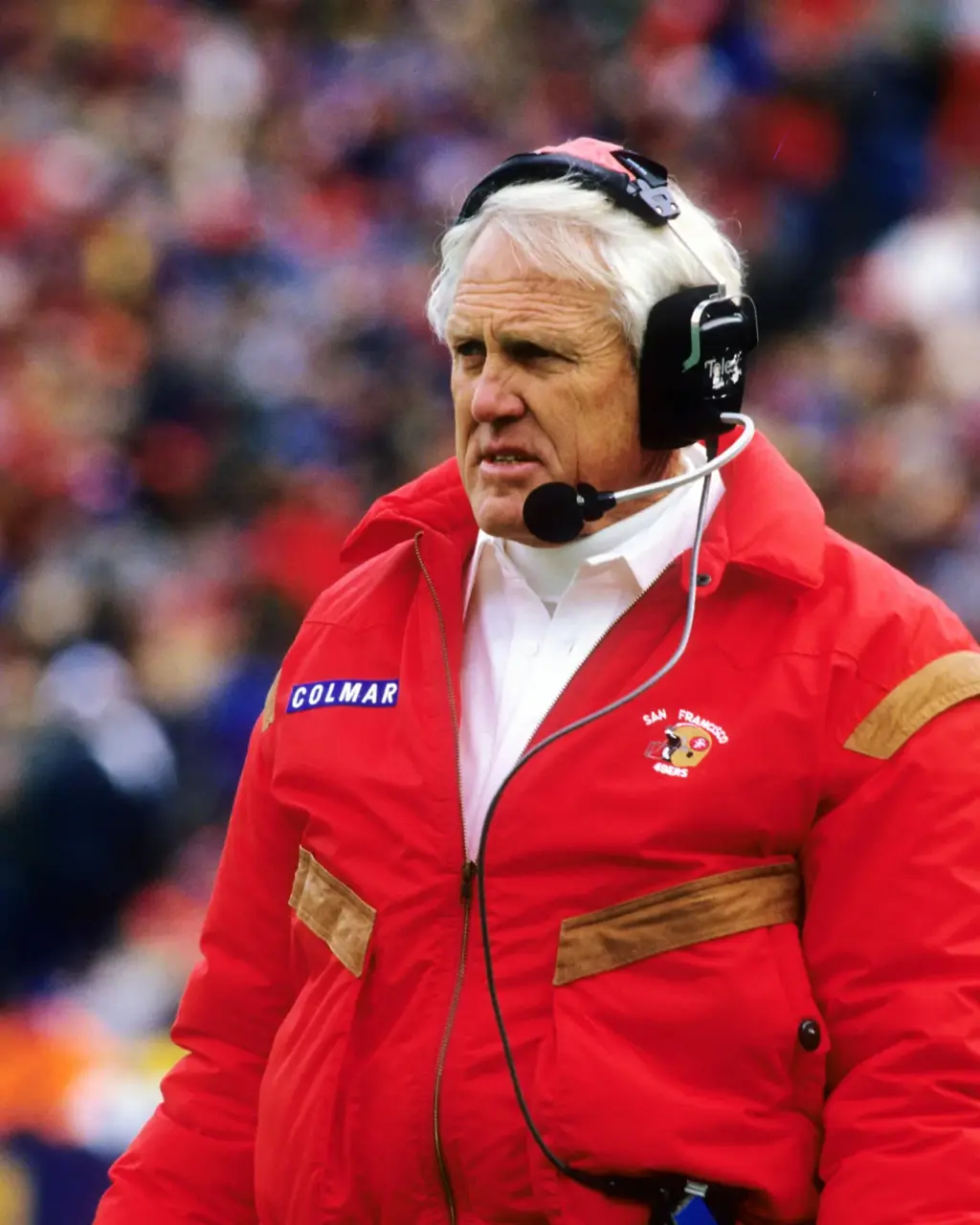
Bill Walsh, a name synonymous with innovation in the National Football League (NFL), remains one of the most influential coaches in the history of American football. His strategic acumen and pioneering offensive philosophies not only transformed the San Francisco 49ers but also left a lasting impact on the sport as a whole. With the recent resurgence of interest in football strategies and coaching techniques, Walsh’s contributions are more relevant than ever.
Bill Walsh’s Journey
Born on November 30, 1931, in Los Angeles, California, Walsh’s journey in football began as a player at the University of San Jose State. After a brief playing career, he transitioned into coaching, where he started to develop his signature style. Walsh was hired by the San Francisco 49ers in 1979, where he would eventually lead the team to three Super Bowl championships (XVI, XIX, XXIII) over the course of his tenure.
Innovations in Coaching
Walsh is credited with the dissemination and implementation of his ‘West Coast Offense,’ which revolutionized how teams approached both offensive play and defense. His strategies emphasized short, quick passes, allowing quarterbacks to distribute the ball effectively while giving receivers the chance to make plays in space. This was a significant departure from traditional approaches, which relied heavily on running plays and deep vertical passes. His methods have influenced not only the 49ers but also many other franchises across the NFL.
Recent Developments
In 2023, discussions surrounding Walsh’s coaching philosophies have gained traction, especially following the resurgence of offensive-minded coaches leading various teams. Many current coaches cite Walsh as a pivotal figure in their development, highlighting his ability to adapt to the changing dynamics of the game. The annual NFL coaches’ clinic featured several sessions dedicated to Walsh’s tactics, demonstrating the persistent relevance of his coaching principles.
Conclusion
Bill Walsh’s legacy is not merely confined to his winning record; it is reflected in the very fabric of football strategy and coaching methodologies that continue to evolve today. As the NFL community reflects on its history, Walsh’s innovative spirit is celebrated as a catalyst for modern offensive football, ensuring that his influence endures long beyond the final whistle. As aspiring coaches and players study his innovative techniques, they remain a testament to the transformative power of vision and creativity in sports.