Introduction
Bryant Gumbel has long been a significant figure in American journalism, known for his engaging style and insightful reporting. With a career spanning over four decades, Gumbel has made noteworthy contributions to broadcast journalism, revolutionizing morning television and paving the way for future generations of journalists. As discussions surrounding media trust and diversity grow increasingly relevant, examining Gumbel’s influence is more important than ever.
Career Milestones
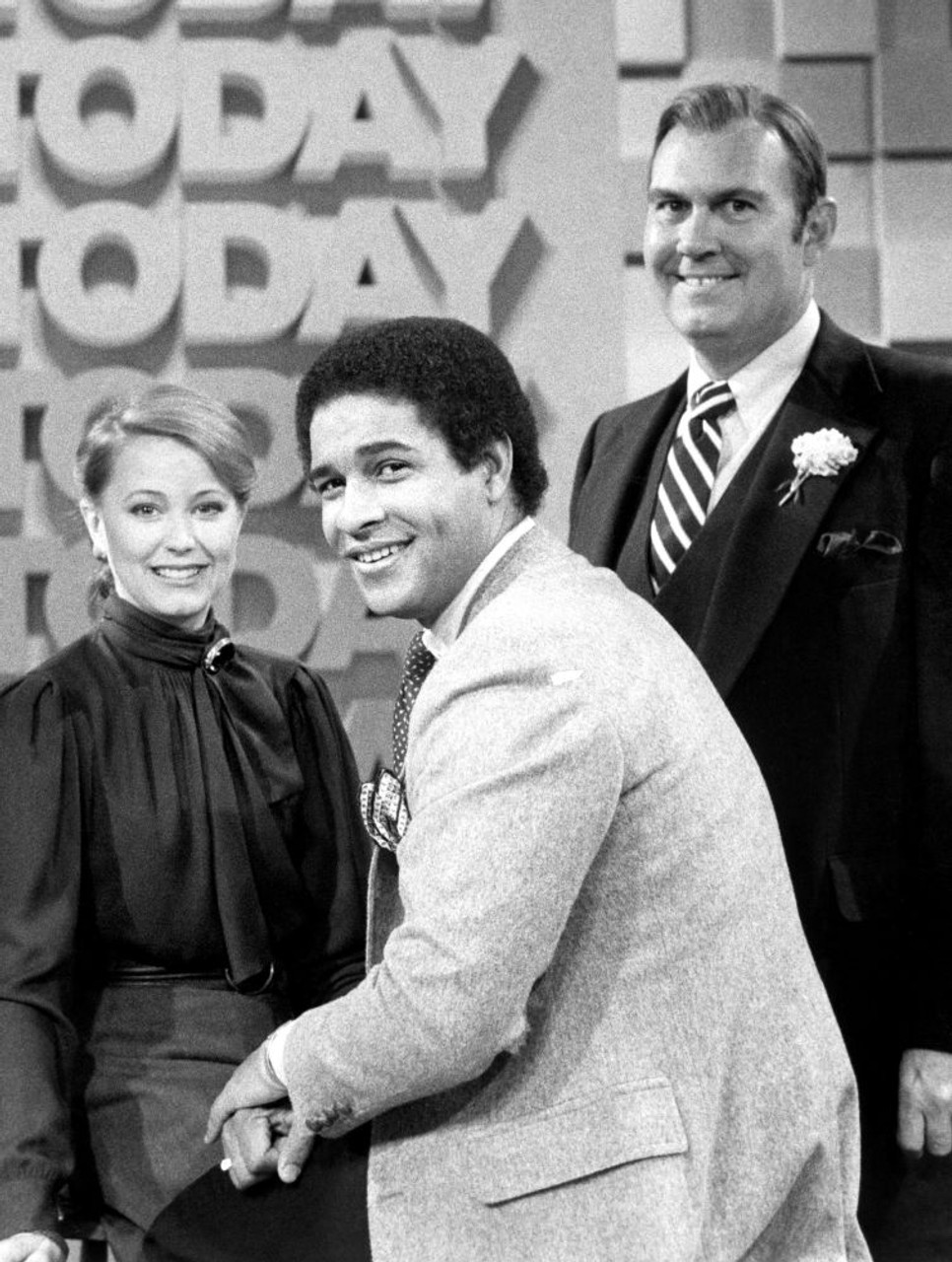
Bryant Gumbel began his career in the early 1970s as a local sports broadcaster. His big break came when he joined NBC in 1975, quickly establishing himself as a versatile sportscaster. By 1982, he was co-hosting the groundbreaking “Today Show,” a position that solidified his status in the broadcasting industry. Gumbel became the first African American to host a national morning news program and changed the face of daytime news with his rapport and professionalism.
During his tenure on the “Today Show,” Gumbel interviewed countless prominent figures, from politicians to celebrities, showcasing his ability to ask tough questions while maintaining a cordial atmosphere. His approach not only earned him acclaim but also attracted a diverse viewership. After departing from NBC in 1997, Gumbel went on to host “Real Sports with Bryant Gumbel” on HBO, a program that highlighted critical social issues through in-depth investigative journalism.
Impact and Recognition
Gumbel’s contributions to journalism have not gone unnoticed. He has received multiple Emmy Awards throughout his career, recognizing his excellence in reporting and storytelling. Beyond accolades, Gumbel’s influence extends into discussions about representation in media. His presence on-air has opened doors for many minority journalists and has highlighted the importance of diversity in newsrooms across the industry.
Conclusion
Bryant Gumbel’s career is a testament to the changing landscape of American journalism, emphasizing the need for voices that represent the diversity of society. As media continues to evolve in an era of rapid technological change and public skepticism, Gumbel’s legacy serves as a reminder of the importance of integrity, accountability, and inclusivity in journalism. His story inspires not just aspiring journalists, but anyone interested in understanding the power and responsibility that comes with informing the public.