Introduction
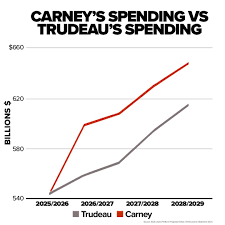
The Carney Budget has become a notable topic of discussion among economists and policymakers in Canada. Named after former Bank of Canada Governor Mark Carney, this budget reflects the government’s strategic plan to address current economic challenges.
The importance of the Carney Budget stems from its implications for inflation, interest rates, and overall economic growth. With rising concerns about economic recovery post-pandemic, how the government allocates resources in the budget could significantly influence the nation’s financial landscape.
Current Economic Context
As of 2023, Canada faces various economic challenges, including inflation rates that have reached a 40-year high. The Carney Budget aims to tackle these issues head-on, with measures designed to reinforce economic stability and support growth. Recent data released by Statistics Canada shows a year-over-year inflation rate of 6.9% as of September 2023, indicating the pressing need for effective fiscal strategy.
In addition to inflation, the Bank of Canada has recently indicated potential shifts in its monetary policy. Under Carney’s influence, emphasis is placed on the delicate balance between fostering economic growth and controlling inflation through prudent spending and investment.
Key Features of the Carney Budget
The newly released Carney Budget introduces several significant initiatives aimed at boosting the Canadian economy:
- Infrastructure Investments: Allocating funds to critical infrastructure projects aimed at enhancing public transport and green energy solutions.
- Support for Small Businesses: Tax incentives and financial support to help small enterprises recover and innovate.
- Healthcare Funding: Increased capital invested in healthcare to ensure systems are equipped to handle post-pandemic challenges and improve public health outcomes.
Each of these features not only looks to support immediate recovery but also fosters long-term growth and sustainability.
Conclusion
The Carney Budget represents a proactive step in addressing Canada’s pressing economic issues amidst ongoing challenges. Policymakers underscore that strategic investments can mitigate the adverse effects of high inflation while promoting resilience. Experts suggest that monitoring the implementation of this budget will be crucial in forecasting whether these measures will have the desired impact on the economy.
The significance of the Carney Budget lies not just in its immediate objectives but also in its long-term vision for Canadian society, emphasizing the need to build a robust, inclusive economy that can weather future crises. For Canadian citizens, understanding these fiscal strategies will enhance awareness of how government financial planning directly affects their lives.