Introduction
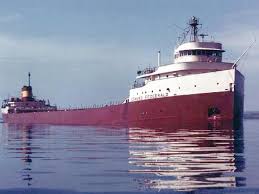
The SS Edmund Fitzgerald is a name synonymous with tragedy on the Great Lakes. On November 10, 1975, the freighter sank in Lake Superior during a fierce storm, taking 29 crew members with it. This maritime disaster holds significant historical relevance and serves as a grim reminder of the dangers inherent to shipping on these vast waters. The story of the Edmund Fitzgerald continues to resonate with communities around the Great Lakes and beyond, symbolizing the fragility of life at sea.
The Final Voyage
The Edmund Fitzgerald was launched on June 7, 1958, and was one of the largest freighters on the Great Lakes. It was designed to transport iron ore from mines in Minnesota to steel mills in Detroit. On its fateful journey, the ship encountered one of the most treacherous storms in the history of the Great Lakes, with winds reaching up to 70 mph and waves reported at 35 feet. Despite having a history of navigating dangerous conditions, the Fitzgerald began taking on water and listing as the storm worsened.
Captained by Ernest McSorley, the vessel sent its last radio communication at 7:10 PM, stating that it was battling high waves and needed assistance. Just a few hours later, the ship disappeared from radar, and all 29 crew members tragically lost their lives.
Impact and Aftermath
The sinking of the Edmund Fitzgerald sent shockwaves through the maritime community and the greater public. The uncertainty surrounding its loss sparked numerous investigations. In 1976, the U.S. Coast Guard published a report suggesting that the ship sank after losing its cargo hatches in the storm, causing it to flood rapidly.
The impact of the tragedy reached beyond immediate mourning; it has been memorialized through songs, literature, and annual commemorations. The Gordon Lightfoot song “The Wreck of the Edmund Fitzgerald” remains one of the most iconic renditions of the event, capturing the hearts and minds of people across generations.
Conclusion
The story of the Edmund Fitzgerald is a poignant chapter in the history of maritime navigation. It serves as a reminder of the formidable forces of nature and the enduring spirit of those who choose to work at sea. Commemorations held every year honor the crew members who lost their lives, ensuring that their sacrifice is not forgotten. As climate change continues to affect weather patterns, preserving the memory of the Edmund Fitzgerald also emphasizes the need for safety measures in maritime operations to prevent such tragedies from happening again in the future.