Introduction
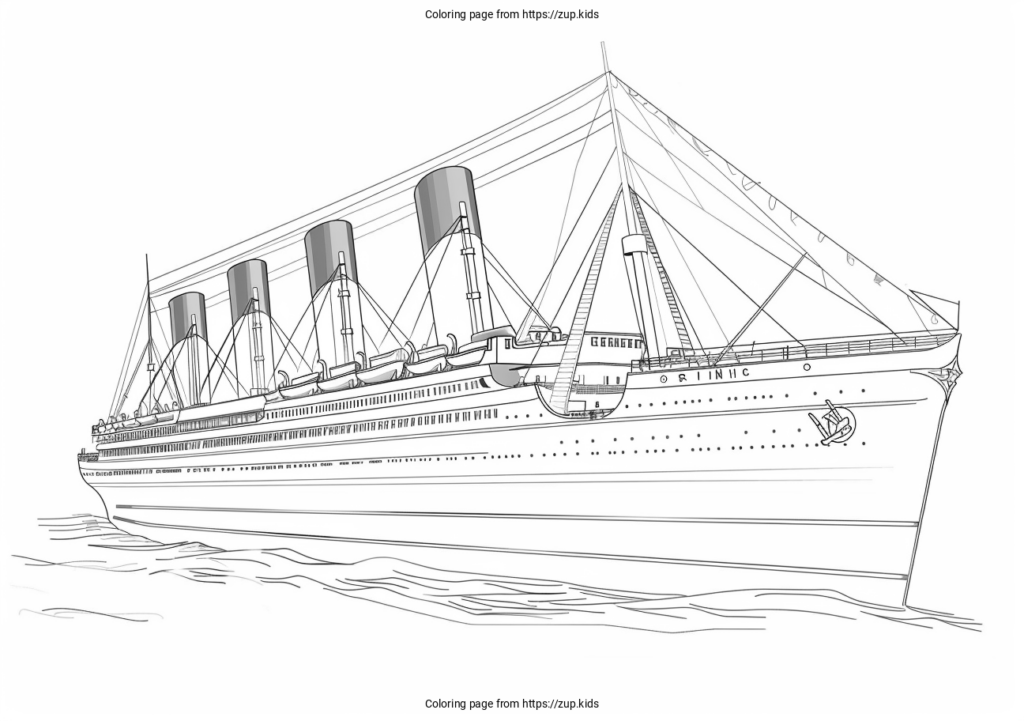
The RMS Titanic, one of the most infamous ships in history, met its tragic end on April 15, 1912, during its maiden voyage from Southampton to New York City. The sinking of the Titanic, which resulted in the loss of over 1,500 lives, remains a poignant reminder of the perils associated with maritime travel. As we mark over a century since the disaster, its relevance continues to shape modern maritime laws and safety protocols.
The Sinking of the Titanic
On a chilly night, the Titanic struck an iceberg in the North Atlantic, leading to one of the deadliest maritime disasters in history. Despite being touted as “unsinkable,” the ship was inadequately prepared for such an emergency, with lifeboats for only about half of its passengers. In the aftermath of the crash, the ship sank in a matter of hours, resulting in staggering loss of life and highlighting critical flaws in maritime safety practices at the time.
Impact and Response
The Titanic disaster prompted widespread public outrage and spurred significant changes in maritime law. In its wake, the International Convention for the Safety of Life at Sea (SOLAS) was established in 1914, introducing mandatory safety protocols, improved lifeboat capacity, and stricter shipbuilding regulations. Ensure the safety of passengers became the priority, effectively changing how maritime nations approached ocean travel.
Modern Culture and Commemoration
Over the years, the Titanic has captured the public’s imagination through numerous films, books, and documentary projects. The 1997 film “Titanic,” directed by James Cameron, not only revived interest in the tragedy but also educated a new generation about the events that transpired. Annual memorials and museum exhibitions continue to commemorate the lives lost, ensuring that the memory of the Titanic remains vivid in cultural consciousness.
Conclusion
The legacy of the Titanic endures as a powerful symbol of human fallibility, innovation, and the imperative of safety at sea. As we reflect on this tragedy, it’s essential to recognize the advancements made since then while acknowledging that vigilance in maritime safety must continue. The Titanic’s story is more than just a historical event; it is a reminder of our responsibility to learn from past mistakes to prevent similar disasters in the future.