Introduction to the Olympic Rings
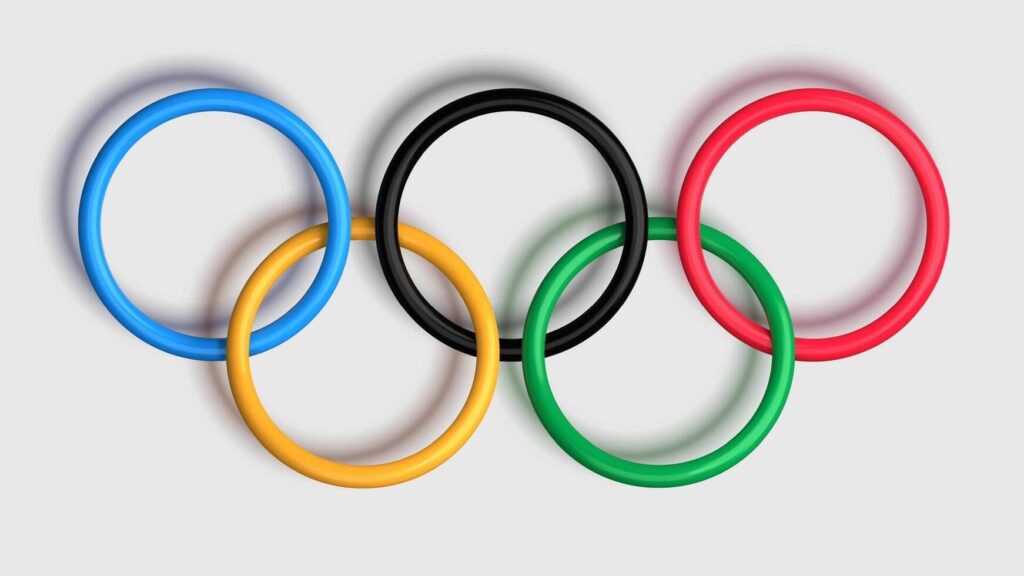
The Olympic Rings are one of the most recognized symbols in the world, representing the unity and diversity of athletes across the globe. Designed in 1913 by Pierre de Coubertin, founder of the modern Olympics, these five interlocking rings are colorfully composed of blue, yellow, black, green, and red on a white background. Their creation signified the coming together of nations and cultures, and they play a crucial role in Olympic branding and identity.
Historical Context and Design
The Olympic Rings were created to represent the five continents of the world: Africa, the Americas, Asia, Europe, and Oceania. While it is a common belief that each color specifically corresponds to a continent, Coubertin intended to symbolize the unity among the nations, as every competitor brings their unique background to the Games. The interlocking nature of the rings suggests unity and cooperation among athletes, regardless of their differences.
Recent Events and the Olympic Rings
In the lead-up to the Tokyo 2020 Olympics, which were postponed to 2021 due to the COVID-19 pandemic, the Olympic Rings became a beacon of hope and resilience. The Games were held with strict health protocols, but the iconic rings at the Olympic Stadium served as a reminder of the athletic spirit and the pursuit of excellence. As countries around the world grappled with the pandemic, the rings represented a shared goal of unity, showcasing athletes’ determination to overcome challenges and participate in the global event.
The Evolution of The Olympic Rings
As we move further toward future Olympic Games, including the Paris 2024 Olympics, the rings continue to evolve in their significance. They are not only a marker of the Games themselves but serve to promote values such as inclusivity and equality. The International Olympic Committee (IOC) has actively sought to uphold these principles, using the rings as a platform to inspire the next generation of athletes while addressing important social issues, including diversity and environmental sustainability.
Conclusion: The Legacy of the Olympic Rings
The Olympic Rings stand as a powerful symbol of sportsmanship, solidarity, and peace across nations. As global events unfold, their importance only grows, reminding us of the common ground that swimming, running, and competing in sports can create. The rings are more than just a logo; they are a testament to our collective potential to unite through athletic achievement, and they will undoubtedly continue to inspire future generations of athletes and fans worldwide.