Introduction
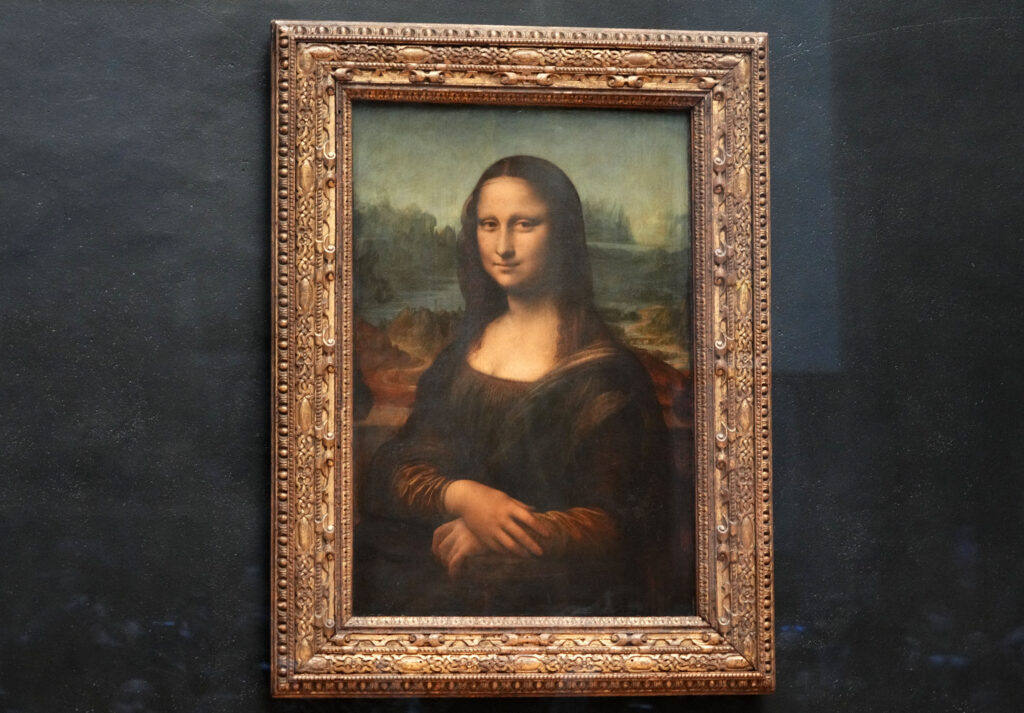
The theft of the Mona Lisa in 1911 remains one of the most audacious art heists in history. This incident not only captivated the public’s imagination but also shed light on the cultural significance of art and the vulnerabilities of museums. The theft, which saw the famous painting taken from the Louvre in Paris, has since become a symbol of art theft and has influenced security measures in galleries worldwide.
The Theft of the Mona Lisa
On August 21, 1911, Italian handyman Vincenzo Peruggia, who had worked in the Louvre, orchestrated a plan to steal the iconic painting. He believed the Mona Lisa should be returned to Italy, as it had been stolen by Napoleon during his conquests. After hiding in the museum overnight, Peruggia concealed the painting under his clothes and walked out the next morning, evading detection.
Initially, the theft went unnoticed for over 24 hours, leading to a widespread investigation. The French police and the media were quick to react, resulting in sensational headlines that captured the public’s attention. The heist sparked a wave of interest in the painting, making it a household name almost overnight.
The Investigation and Recovery
Peruggia kept the Mona Lisa hidden in his apartment in Paris for more than two years. In 1913, he contacted an art dealer in Florence, hoping to sell the painting back to an Italian museum. This decision ultimately led to his arrest, as the dealer contacted the authorities, who apprehended Peruggia and recovered the masterpiece.
The Mona Lisa was returned to the Louvre in January 1914, where it was greeted with massive public interest. The painting became a national emblem of France, representing resilience and cultural heritage.
Conclusion
The stolen Mona Lisa incident highlights the delicate balance between art as a cultural artifact and its vulnerability to theft. The aftermath of the heist prompted museums worldwide to reevaluate their security measures, and the global fame of the painting continues to shine. Today, the Mona Lisa stands not just as a symbol of artistry but also as a reminder of its tumultuous past. As the art world evolves, the legacy of the stolen Mona Lisa serves as an enduring narrative that continues to fascinate art lovers and historians alike.