Introduction
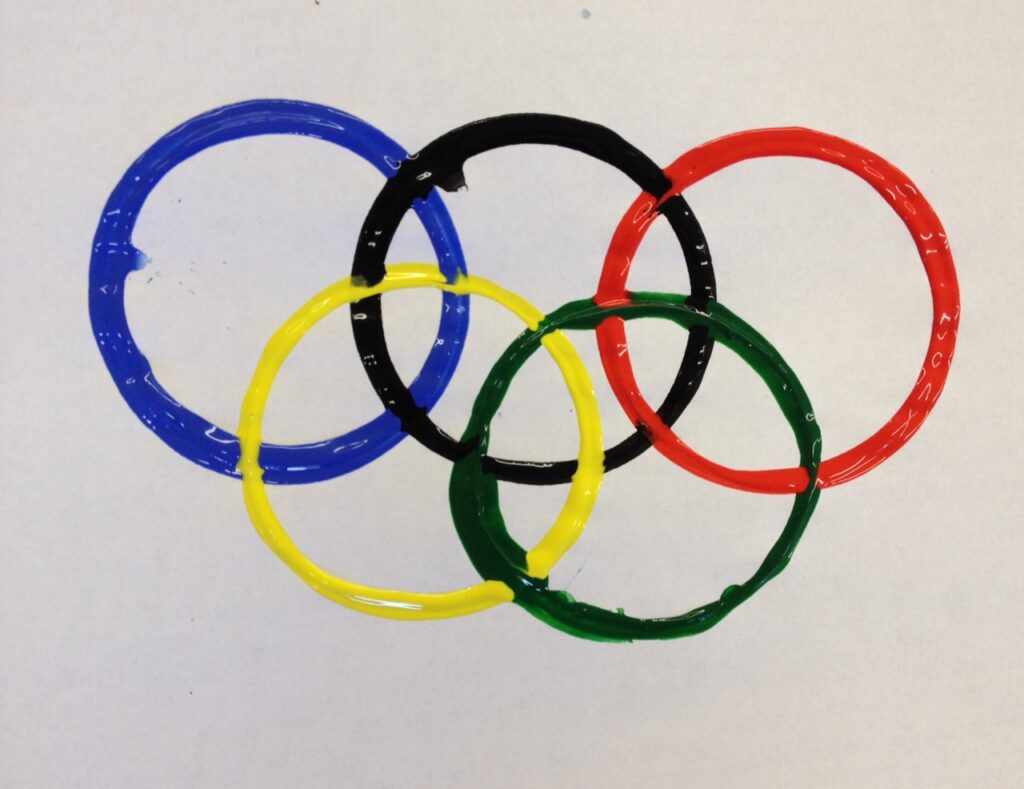
The Olympic Rings, one of the most recognized symbols in the world, embody the spirit of the Olympic Games and their historical significance in promoting unity and international competition. The emblem consists of five interlocking rings, which represent the five continents of Africa, the Americas, Asia, Europe, and Oceania. This symbol has become synonymous with the values of peace, camaraderie, and sporting excellence.
History of the Olympic Rings
The Olympic Rings were designed by Pierre de Coubertin in 1913 and have been a key visual icon of the Olympic movement since their introduction. The interlocking rings signify the unity of the five continents, and the colors chosen for the rings—blue, yellow, black, green, and red—were based on the colors that appeared on all the national flags of the world at the time. This inclusivity reflects the Games’ aim of bridging cultural divides through sport.
Recent Developments and Events
The significance of the Olympic Rings has been spotlighted during various recent events, especially during the Tokyo 2020 Summer Olympics, which were held in 2021 due to the COVID-19 pandemic. The visual representation of the rings emphasized themes of resilience and hope in a challenging global context. As countries came together to compete, the rings served as a reminder of the shared values of sportsmanship and international friendship.
Moreover, the upcoming Paris 2024 Summer Olympics will further illuminate the enduring relevance of the Olympic Rings. With anticipated participation from over 200 countries, the rings will once again be a focal point in celebrations, ceremonies, and competitions, reminding the world of the importance of unity in diversity.
Conclusion
As a symbol celebrated across cultures and nations, the Olympic Rings carry immense significance that goes beyond athletic prowess. They encapsulate the very essence of the Olympic movement, promoting global unity, mutual respect, and a spirit of healthy competition. With each Olympic cycle, the Rings reaffirm their role in fostering interactions among nations, making them more than just a symbol of sports, but of hope and collaboration for a better world.