Introduction
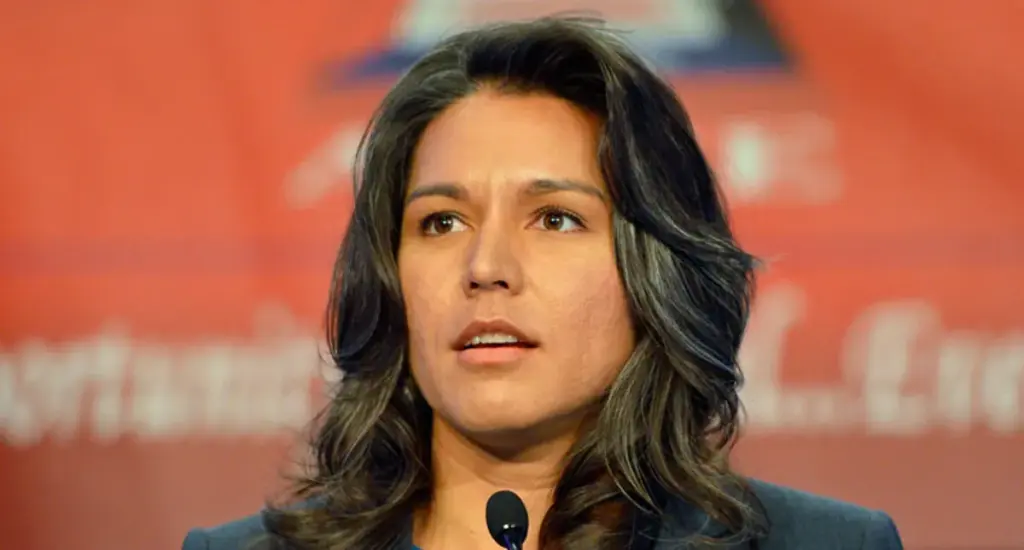
Tulsi Gabbard, a former U.S. Congresswoman and 2020 presidential candidate, has made headlines recently as she navigates the current political landscape. Known for her progressive policies and unique stance on foreign affairs, Gabbard’s insights and actions continue to influence political discourse in the United States. Her significance extends beyond party lines, invoking discussions about military intervention, climate policy, and identity politics.
Her Rise to Prominence
Gabbard first gained national attention in 2016 when she resigned from the Democratic National Committee to endorse Bernie Sanders. Her stance against military intervention attracted a diverse group of supporters, as she openly criticized the establishment policies of both Democratic and Republican parties. During her presidential campaign in 2020, she brought issues like veterans’ healthcare, environmental reform, and a non-interventionist foreign policy to the forefront.
Recent Developments
In recent months, Gabbard has shifted her political strategies, expressing concerns over the increasing polarization within the Democratic Party. In October 2022, she announced her departure from the Democratic Party, citing its drift away from core principles of freedom and civil liberties. This shift has prompted discussion about her potential future in the Republican Party, but Gabbard has yet to officially align with any party.
Impact and Significance
Gabbard’s pivot away from traditional party politics raises questions about the evolving landscape of American political affiliations. As more voters express dissatisfaction with the two-party system, Gabbard’s independent stance may resonate with those seeking alternatives. Her voice in discussions about U.S. foreign policy, particularly on issues like the conflict in Ukraine and relations with China, remains vital as tensions escalate globally.
Conclusion
Tulsi Gabbard’s journey reflects the complexities of contemporary politics, where traditional party lines are blurred. Her commitment to challenging the status quo and advocating for issue-based policies has garnered her both supporters and critics. As the political climate continues to shift, Gabbard’s influence on debates surrounding military intervention, civil liberties, and environmental policies will be significant for shaping upcoming elections and national dialogues.