Introduction
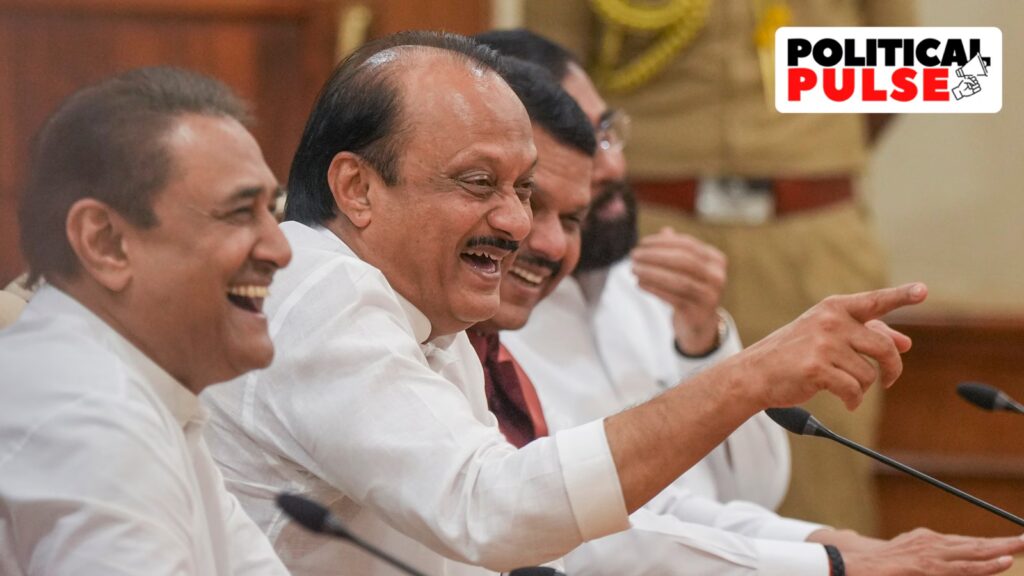
Ajit Pawar has been a prominent figure in Maharashtra politics for over two decades, serving in various capacities, including Deputy Chief Minister. His actions and decisions often influence party dynamics and governance in the state. The recent developments surrounding Pawar’s political strategies have renewed interest in his role as a key player in shaping Maharashtra’s future. As political tensions rise and alliances shift, understanding Pawar’s impact becomes crucial for stakeholders and citizens alike.
Recent Developments
In October 2023, Ajit Pawar made headlines after he announced a new alliance with the Bharatiya Janata Party (BJP). This unexpected political maneuver has stirred significant debate within the Maharashtra Political landscape, especially following the last assembly elections. Pawar’s shift is seen as a strategic move to consolidate power and position himself favorably ahead of future elections. His alliance with the BJP also indicates a pragmatic approach, prioritizing governance over traditional party loyalty.
Furthermore, Pawar’s comments regarding agro-economic reform and farmer welfare signal his focus on addressing critical issues affecting Maharashtra. His proposals aim to improve agricultural productivity and enhance the livelihoods of farmers in the state. This focus aligns with the BJP’s agenda, possibly reinforcing the stability of their alliance.
Criticism and Support
While Pawar’s alliance with the BJP has garnered support among some party members and constituents who prioritize political stability, it has also attracted criticism from former allies and opposition members. Critics argue that Pawar’s shift compromises his earlier commitments to coalition governance and undermines grassroots democracy in Maharashtra.
Opposition parties, including the Shiv Sena and the Congress, have expressed concerns, questioning the integrity of Pawar’s leadership. They fear that such alliances could alienate voters who expect transparent and representative governance from elected officials. The political ramifications of these criticisms, however, remain to be seen.
Conclusion
As Ajit Pawar navigates this new political landscape, the implications of his decisions will likely resonate throughout Maharashtra in the coming months. Observers suggest that his ability to balance the alliance with the BJP while addressing citizens’ concerns will be critical for his political survival. Furthermore, Pawar’s actions may redefine the future of political alliances in Maharashtra, influencing the strategies of other political players in the region. As the state prepares for upcoming elections, Pawar’s leadership will certainly be a pivotal factor in shaping the narrative of Maharashtra politics.