Introduction
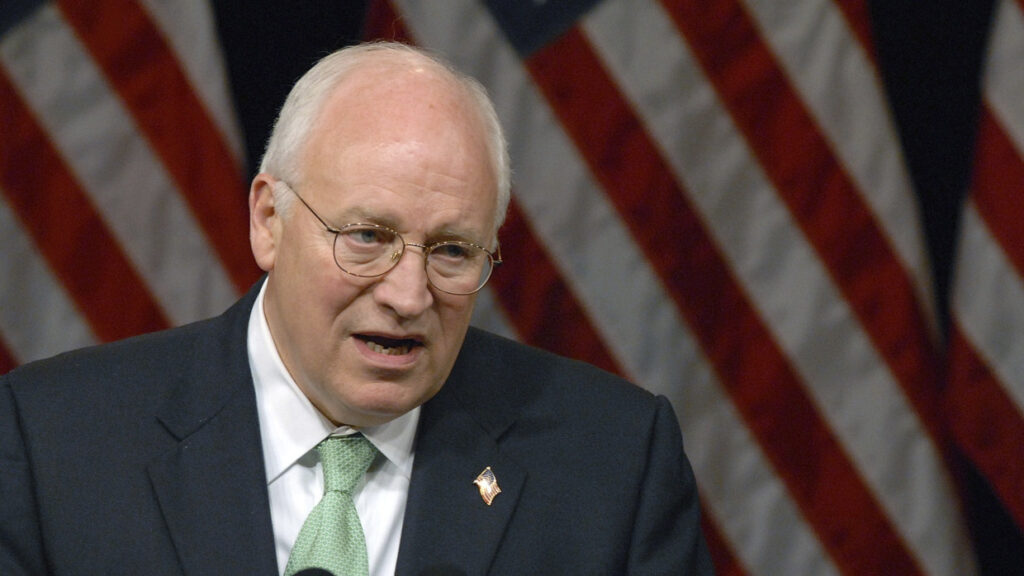
Dick Cheney, the 46th Vice President of the United States, remains one of the most influential and controversial figures in American political history. Serving under President George W. Bush from 2001 to 2009, Cheney’s tenure coincided with significant events including the September 11 attacks and the subsequent wars in Iraq and Afghanistan. Understanding Cheney’s role is crucial not only in appreciating the recent history of American politics but also in evaluating ongoing debates about U.S. governance and foreign relations.
Cheney’s Early Career
Before ascending to the vice presidency, Cheney held various key positions that significantly shaped his political views and strategies. As a congressman from Wyoming, he served in the House of Representatives from 1979 to 1989, and later as Secretary of Defense under President George H.W. Bush from 1989 to 1993. Cheney was instrumental in U.S. military operations during the Gulf War, displaying an affinity for a robust military strategy that would later characterize his vice presidency.
The Vice Presidency
Cheney’s vice presidency is often characterized by his strong influence over both foreign and domestic policy, particularly in the wake of 9/11. His advocacy for the Iraq War in 2003 is one of the most notable aspects of his career, where he promoted the narrative that Iraq possessed weapons of mass destruction, a claim that later proved to be unfounded. His role in the administration extended to controversial policies regarding defense and security, including the expansion of executive power and the use of enhanced interrogation techniques.
Controversies and Impact
Cheney’s legacy is rife with controversy, particularly regarding the implications of his policies on civil liberties and international law. Critics argue that his decisions contributed to long-term instability in the Middle East, while supporters claim he acted in defense of national security during a precarious time in U.S. history. His candidness in interviews and memoirs has sparked renewed interest in his views, especially as debates about the legality and morality of the Iraq War continue.
Conclusion
As America reflects on its political landscape and foreign policy direction, Dick Cheney remains a pivotal figure in understanding the interplay of power and decision-making in government. His career serves as a testament to the complexities of political leadership in times of crisis. For future policymakers, Cheney’s era offers crucial lessons on the impacts of executive decisions and the delicate balance of security and civil liberties. As the U.S. continues to navigate the consequences of past actions, the discourse surrounding Cheney’s influence will likely endure, shaping the narratives of future political generations.