Introduction
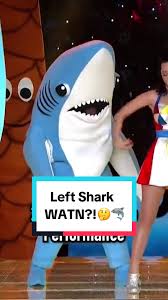
The term ‘Left Shark’ refers to a viral phenomenon that emerged during Katy Perry’s Super Bowl halftime performance in 2015. The dancer dressed in a shark costume who was positioned on the left side of the stage quickly captured the hearts of millions. This unexpected star not only became a symbol of fun and spontaneity but also raised discussions around celebrity culture and social media trends.
The Performance That Changed Everything
During the Super Bowl XLIX halftime show, Katy Perry delivered a spectacular performance that included hits like “Roar” and “Teenage Dream.” However, what stuck in viewers’ minds was the awkward, yet charming, dance moves of her left-side shark performer, who appeared to be out of sync with the choreography. This contrast to Perry’s highly polished routine made Left Shark an instant talking point across social media platforms.
Social Media Explosion
Following the show, Left Shark quickly became a meme sensation, with fans sharing images and videos of the quirky dancer on platforms like Twitter, Instagram, and Facebook. The hashtag #LeftShark trended as countless users transformed their own experiences or feelings into left shark-themed content, contributing to a mini cultural movement that emphasized the importance of embracing authenticity and imperfection.
Impact and Legacy
Left Shark’s impact went far beyond the Super Bowl stage. Advertisers and marketers took notice of the phenomenon, exploring how unexpected characters could resonate with audiences. Merchandise featuring Left Shark—even after years—has remained a staple in pop culture discussions. In 2020, an update on the character was released in the form of a plush toy, illustrating its staying power in the hearts and minds of fans.
Conclusion
The legacy of Left Shark serves as a reminder of the significance of spontaneity in performance art and how viral moments can capture the cultural zeitgeist. As we move forward, Left Shark remains a peculiar yet beloved figure that encourages people to embrace their uniqueness. It exemplifies how an offbeat moment can become a lasting part of pop culture, reminding us all to find joy and humor in imperfection.