Introduction
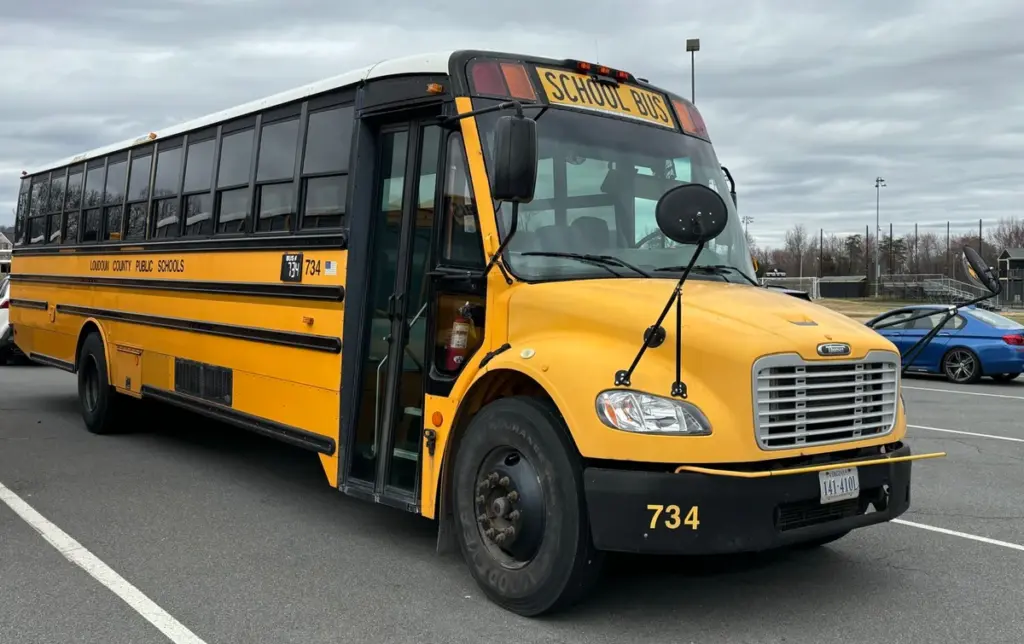
School buses play a crucial role in the educational ecosystem across Canada. They serve not only as a primary mode of transportation for millions of students but also contribute significantly to safety and environmental sustainability. With the increasing number of students attending schools and the corresponding need for reliable transportation, the importance of school buses has never been more pronounced.
Current Statistics and Safety Measures
According to the latest data from the Canadian Council of Motor Transport Administrators, over 1.5 million students rely on school buses each day. This makes it essential to continuously improve safety measures. In recent years, various provinces have mandated the installation of advanced safety features, including GPS tracking, improved lighting, and automatic braking systems. Additionally, public awareness campaigns stress the importance of obeying bus stop laws, as statistics indicate that many pedestrian accidents occur during school pick-up and drop-off times.
Environmental Impact
Beyond safety concerns, school buses also play a vital role in reducing carbon footprints. A report from the Canadian Urban Transit Association revealed that if more students used school buses instead of individual cars, Canada could significantly lower greenhouse gas emissions. Many districts are transitioning to eco-friendly buses, utilizing alternative fuels such as compressed natural gas and electric power, aligning with the government’s goals for sustainability.
Community Involvement and Support
Community efforts to support school transportation systems have also expanded. Many parents and local organizations are increasingly involved in advocating for improvements in school bus services, particularly in rural and underserved areas. These efforts include fundraising for new buses, enhancing accessibility for students with disabilities, and fostering partnerships with local transit authorities.
Conclusion
The significance of school buses extends well beyond just transportation. They are integral in fostering a safe and environmentally-friendly approach to student commuting. As we look towards the future, continued investment in school bus infrastructure and community engagement will be essential for ensuring that all students have safe and reliable access to their education. Educators and policymakers must work together to prioritize these initiatives to benefit generations of students to come.