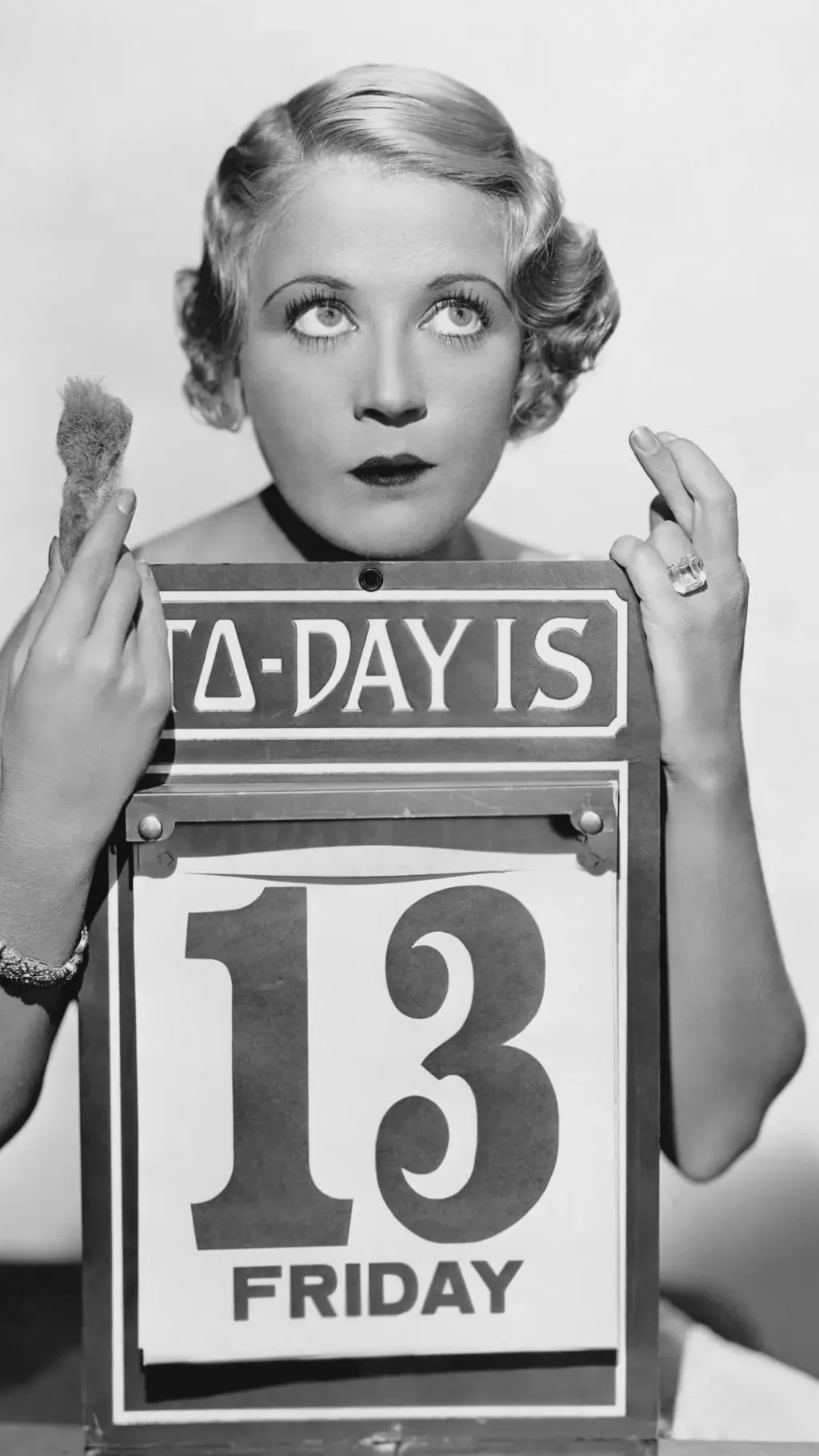
The Origins of Friday the 13th
Friday the 13th has long been regarded as an unlucky day in many Western cultures. The origins of this superstition are often traced back to the number 13, which has been considered unlucky since the Middle Ages. Additionally, the combination of Friday, which is often seen as an unlucky day due to its association with the crucifixion of Jesus Christ, amplifies the negative connotations surrounding this date.
Cultural Beliefs and Historical Context
Throughout history, the fear of Friday the 13th has been acknowledged in various cultures. In ancient Norse mythology, for instance, it is said that 12 gods were invited to a banquet, but Loki, the 13th, arrived uninvited, resulting in chaos and tragedy. This tale contributed to the negative perception of the number 13. Furthermore, a 1907 publication by Thomas Lawson, titled “Friday, the Thirteenth,” popularized the fear of the date, leading to an increase in the belief that it is an unlucky day.
Contemporary Relevance
In modern society, Friday the 13th impacts various aspects of life, including economics and psychology. Numerous studies show that insurance claims rise on this day due to accidents and incidents related to heightened superstition. Many individuals avoid traveling, scheduling events, or even going to work on this date, leading to what is commonly known as “triskaidekaphobia,” or the fear of the number 13.
Pop Culture Influence
The cultural phenomenon surrounding Friday the 13th has also been shaped by media. The iconic horror film franchise, which began in 1980, has solidified the fear associated with this day in popular culture. The film has spawned numerous sequels and has left a lasting imprint on the horror genre. Furthermore, merchandise, special events, and themed promotions often arise surrounding this day, demonstrating its lasting impact on society.
Conclusion
Friday the 13th continues to be a significant cultural touchstone, with deep historical roots and varied contemporary implications. While some view it as a day of misfortune, others see it as a time for playful superstition. Regardless of personal beliefs, this date serves as a reminder of the enduring power of myth and tradition in influencing human behavior. As we move forward, it’s likely that Friday the 13th will continue to evoke curiosity, fear, and entertainment for years to come.