Introduction
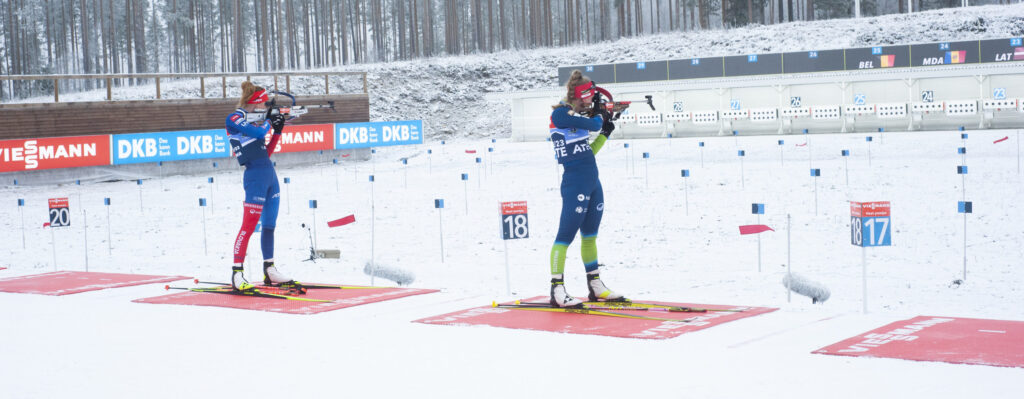
Biathlon, a challenging and exciting winter sport, combines the endurance of cross-country skiing with the precision of rifle shooting. This unique sport has garnered increasing popularity in recent years, particularly as interest surges around significant international competitions like the Winter Olympics and various World Cup events. As we approach the next Olympic Games, understanding the intricacies of biathlon is crucial for fans, athletes, and potential new participants.
The Growth of Biathlon
Historically, biathlon traces its roots back to traditional hunting techniques in Scandinavia. The modern sport began to take shape during the early 20th century, becoming an official Olympic event in 1960. Since then, biathlon has evolved significantly, attracting both competitive athletes and spectators around the globe. According to the International Biathlon Union (IBU), over 43 member countries participate in biathlon competitions, reflecting its worldwide appeal.
Structure of Competitions
Biathlon competitions feature various formats, including individual races, sprints, pursuits, and relay events. Each race requires athletes to ski a predetermined distance, interspersed with shooting rounds where precision is critical. The balance of stamina and skill demands rigorous training regimens, where athletes must hone both their skiing speed and shooting accuracy. As noted in a recent report by the World Anti-Doping Agency, maintaining fair competition remains vital, prompting ongoing discussions about doping regulations to ensure integrity within the sport.
Significance of Biathlon for Canada
Canada has seen a steady rise in biathlon participation, especially in regions with a strong winter sports culture. Canadian athletes have made their mark on the international stage, with notable performances in recent World Cup events and previous Winter Olympics. As communities invest in facilities and training for young athletes, the future of biathlon in Canada looks promising. The Canadian Biathlon Federation has launched numerous initiatives aimed at growing grassroots engagement, thereby encouraging more people to explore this exhilarating sport.
Conclusion
As the biathlon community prepares for the upcoming competitions, the sport’s unique combination of physical endurance and mental focus continues to captivate audiences. With increasing participation rates and growing support, biathlon’s future is bright. Enthusiasts and newcomers alike can look forward to the excitement that this thrilling sport offers in the seasons to come, with Canada continuing to play a significant role in its global landscape.