Introduction
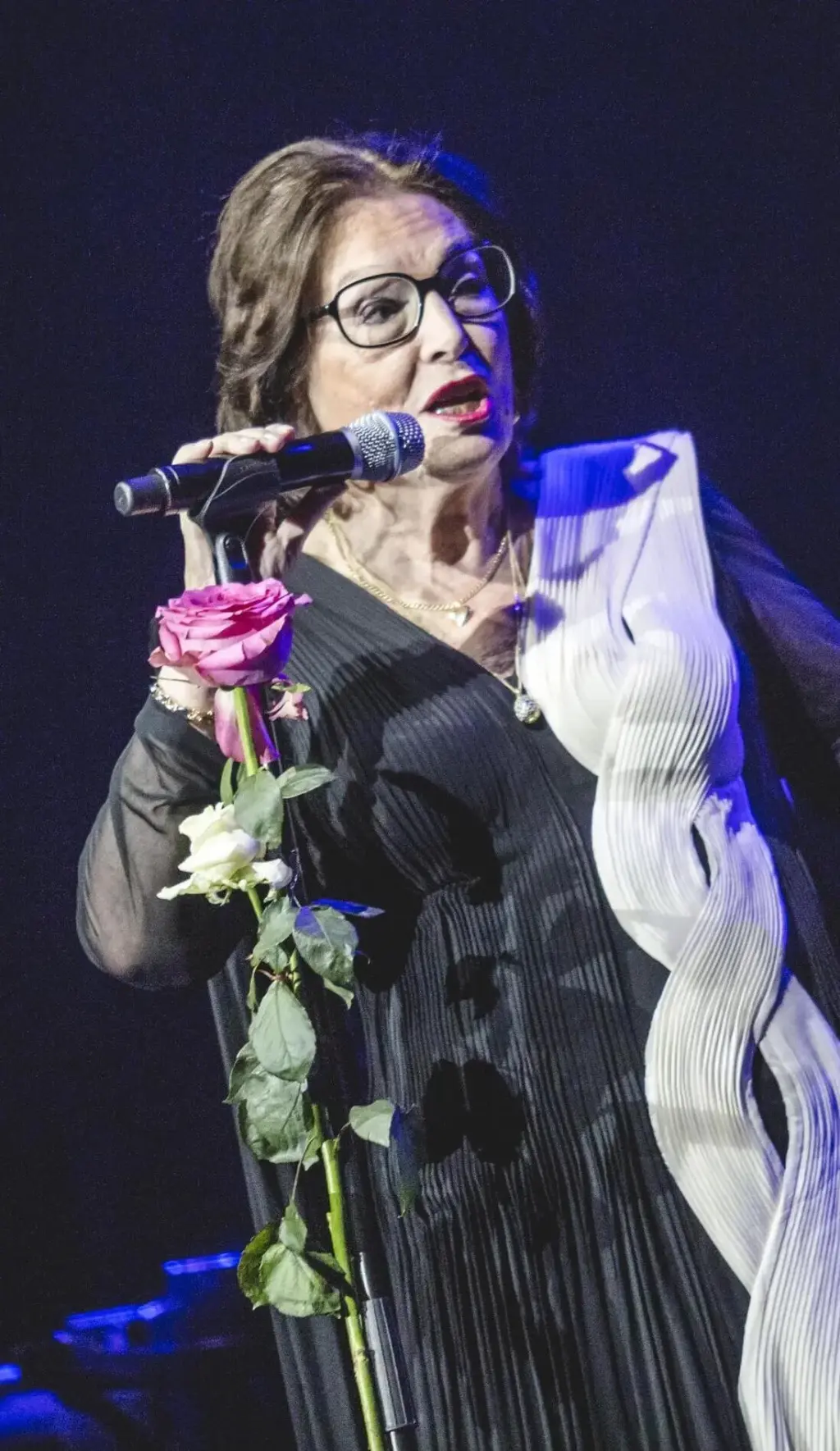
Nana Mouskouri, the Greek-born singer and cultural ambassador, has captivated audiences worldwide for over five decades. Known for her distinct voice and powerful performances, Mouskouri has sold more than 300 million records, earning her a distinguished place in the music industry. Her relevance extends beyond music as she has been involved in various humanitarian causes, often using her platform for social change.
The Musical Journey
Born on October 13, 1934, in Chania, Crete, Nana Mouskouri began her music career in the 1950s. Her early work was influenced by traditional Greek music, but she soon merged these sounds with jazz, pop, and classical genres. This unique blend allowed her to connect with diverse audiences across multiple continents.
Throughout her career, Mouskouri primarily sang in her native Greek, but she also recorded songs in various languages, including French, English, German, and Spanish. Her global hits, such as ‘The White Rose of Athens’ and ‘Amazing Grace,’ showcase her versatility. In 1961, she gained international fame after performing at the Olympia Theatre in Paris, setting the stage for a remarkable global career.
Humanitarian Efforts
Nana Mouskouri’s influence extends beyond music. In addition to her artistic contributions, she has been a dedicated advocate for various humanitarian causes. An ambassador for UNICEF, she has worked tirelessly to support children’s rights and promote education. Her involvement in promoting peace and cultural understanding has earned her numerous accolades throughout her life.
Recent Developments
In recent years, Mouskouri has continued her legacy by celebrating milestone anniversaries of her career and releasing new music. As of 2023, she has announced plans for a limited concert series in Europe, much to the excitement of her fans. This tour not only marks her comeback but also serves as an opportunity for new generations to experience her enchanting performances.
Conclusion
As Nana Mouskouri approaches her 90th birthday, her impact on music and culture remains profound. Her ability to transcend linguistic and cultural barriers speaks to the power of music as a universal language. For fans and newcomers alike, her continued relevance in both music and humanitarian work illustrates that her legacy will endure beyond her time as a performer. Nana Mouskouri is not just a singer; she is a symbol of hope, unity, and artistic expression that resonates through generations.