Introduction
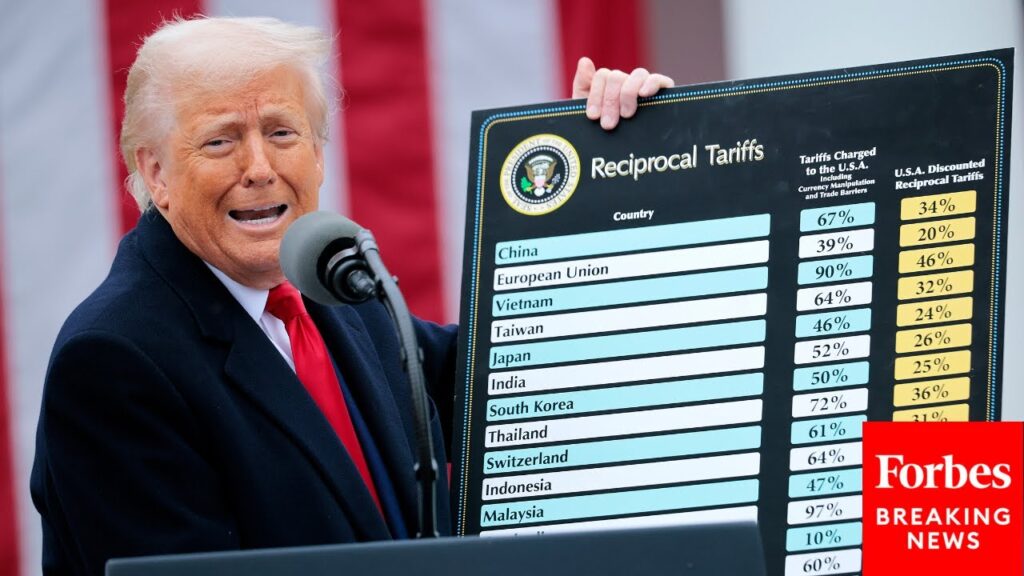
Today’s Senate vote on tariffs marks a pivotal moment in U.S. economic policy, reflecting ongoing debates about trade practices, domestic manufacturing, and international relations. As global markets continue to react to shifting policies, the outcome of this vote could have far-reaching implications for industries and consumers alike.
The Context of the Tariff Vote
With inflationary pressures and supply chain disruptions still affecting the economy, the Senate has been tasked with discussing a series of proposed tariffs aimed at protecting U.S. manufacturers from foreign competition. This vote comes on the heels of extensive lobbying by various business groups, trade associations, and economic analysts who argue for and against the proposed measures. Proponents believe that imposing tariffs on certain imported goods will help safeguard American jobs and bolster local industries. Conversely, opponents warn that such tariffs could lead to higher prices for consumers and retaliatory measures from other countries.
Key Points of Discussion
- Impact on Consumer Prices: Analysts estimate that an increase in tariffs could raise prices on commonly imported goods, impacting household budgets across the country. Businesses that rely on imported materials could also face increased operational costs, potentially leading to reduced hiring or layoffs.
- International Trade Relationships: As countries respond to U.S. tariff measures, there exists the potential for escalating trade tensions, particularly with China and Canada, two of the United States’ largest trading partners.
- Political Dynamics: The vote is significant not just for economic reasons, but also politically. It reveals divisions within the Senate and between parties about how to best navigate economic recovery and trade issues.
What’s Next?
As the Senate casts its votes, analysts and lawmakers will closely watch the reactions from various stakeholders, including businesses and foreign governments. If the measures are approved, implementation strategies and timelines will need to be developed, which could further influence market projections and economic forecasts.
Conclusion
The outcome of today’s Senate vote on tariffs not only holds immediate economic consequences but also sends a signal about the U.S.’s future trade policies and global economic stance. For consumers and businesses, understanding these dynamics will be critical as they navigate potential changes in pricing and availability of goods in the coming months. As discussions continue, it remains to be seen how these tariffs will reshape the landscape of international trade and what adjustments will be necessary for American industries.