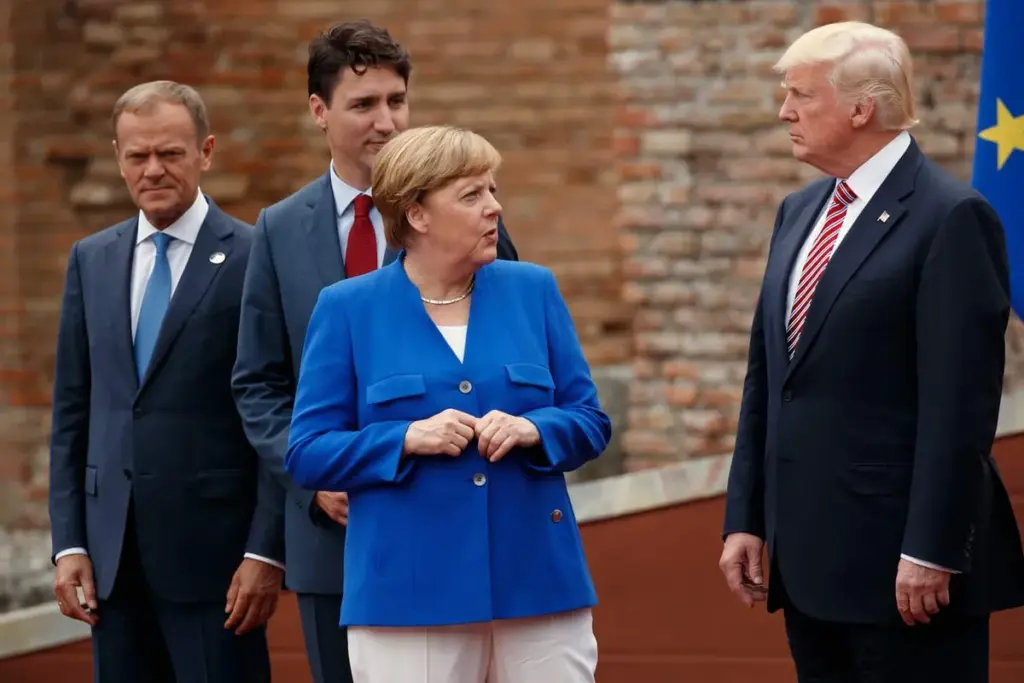
On April 30, 2026, Donald Trump announced that the US is considering a reduction of its troop presence in Germany, stirring tensions with German Chancellor Friedrich Merz amid ongoing discussions about the Iran war.
Currently, around 36,400 US troops are stationed in Germany, making it home to the largest US military deployment in Europe. This military presence has been a cornerstone of NATO cooperation since its establishment after World War II, evolving from an occupation force to a critical logistical hub for operations across the continent.
Trump’s comments come on the heels of his previous threats during his first term, where he expressed intentions to withdraw troops. This time, he criticized Merz for focusing on issues outside of NATO’s responsibilities. “The Chancellor of Germany should spend more time on ending the war with Russia/Ukraine… and less time on interfering with those that are getting rid of the Iran Nuclear threat,” Trump stated.
Germany has shown a degree of preparedness for a potential troop reduction. Johann Wadephul, a member of the Bundestag, remarked, “We are prepared for that.” This readiness reflects a shift in Germany’s approach toward its defense commitments and NATO obligations.
The historical context adds depth to this situation. At its peak during the Cold War, there were approximately 250,000 US troops stationed in Germany. Today’s figure is significantly lower but still plays a vital role in NATO’s strategic framework.
Observers note that Trump’s announcement surprised both Pentagon and State Department officials, who had not been briefed on any plans for troop reductions. As tensions escalate over various geopolitical issues—especially regarding Iran—Germany’s response will be crucial in shaping future Germany-US relations.
The implications of these developments could reshape NATO dynamics and affect military readiness in Europe. The ongoing Iran conflict remains a pivotal issue that might further complicate these relations as both nations navigate their respective foreign policies.