Introduction
Air Canada, as one of the largest airlines in Canada, plays a crucial role in connecting cities across the country and internationally. However, recent trends in cancelled flights have raised concerns among travelers, impacting their plans and increasing frustration. Understanding the reasons behind these cancellations is essential for passengers looking to navigate their travels in a post-pandemic landscape that is still recovering.
Recent Trends in Cancelled Flights
In recent months, Air Canada has faced a noticeable uptick in flight cancellations. According to the latest data from the Canada Transportation Agency, the airline reported a cancellation rate of approximately 5.4% in August 2023, a significant rise from pre-pandemic levels where rates hovered around 1-2%. Various factors have contributed to this trend.
Key Factors Leading to Cancellations
1. Staff Shortages: Post-pandemic recovery has seen many airlines, including Air Canada, struggling to restore their workforce to pre-pandemic levels. Hiring delays have resulted in operational constraints, forcing the airline to reduce its flight schedules.
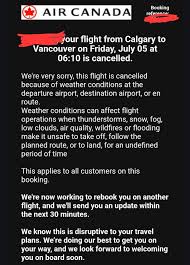
2. Weather Conditions: Unpredictable weather patterns, particularly during the late summer and fall seasons, have also impacted operations. Flight cancellations due to weather conditions can disrupt not only planned flights but also the broader travel network.
3. Technical Issues: Equipment malfunctions and maintenance issues can lead to grounded flights. In a recent incident in October 2023, numerous flights were cancelled due to an unexpected technical issue with aircraft, prompting the airline to reassess its operational capabilities.
Impact on Travelers
The increase in cancellations has forced many passengers to adjust their travel plans. In response, Air Canada has expedited its communication processes, offering passengers options to rebook flights without incurring fees. Additional compensation and support services are available for those experiencing significant delays and cancellations.
What Can Travelers Do?
Travelers are encouraged to stay informed about their flight status, especially during peak travel times. Utilizing Air Canada’s mobile app or website provides real-time updates on flight information. It is increasingly important to prepare for potential changes by keeping flexible travel arrangements and checking cancellation policies.
Conclusion
While the increase in Air Canada cancelled flights can be disconcerting for travelers, being informed and prepared can help mitigate the impact of these disruptions. As the airline continues to navigate operational challenges in rebuilding its services, passengers are reminded to stay proactive in managing their travel plans. Future forecasts indicate that with sustained investment in staffing and training, Air Canada may stabilize its operations, but until then, travelers should be ready for contingencies.