Introduction
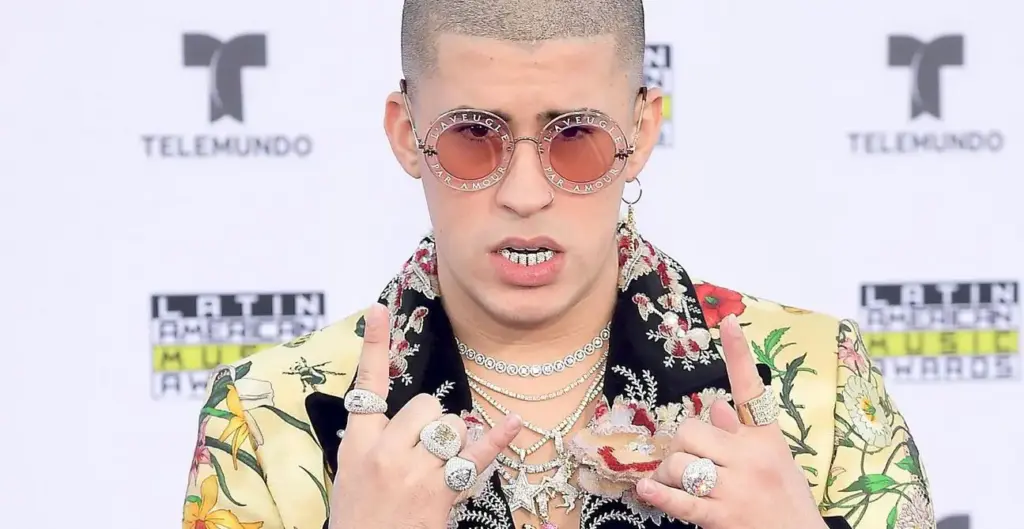
Bad Bunny, the Puerto Rican reggaeton artist, has taken the music world by storm, blending genres and breaking records. His age, currently 29 years old, plays a critical role in understanding his rapid rise to fame and cultural impact. As a young artist who has gained international acclaim, Bad Bunny is not just another musician; he represents a new wave of Latinx artists who are reshaping the global music landscape.
Details about Bad Bunny
Born on March 10, 1994, in San Juan, Puerto Rico, Bad Bunny, whose real name is Benito Antonio Martínez Ocasio, started his career by uploading music to SoundCloud while still a college student. His unique blend of trap music and reggaeton quickly caught the attention of both fans and industry insiders. By 2018, he had charted multiple hits, marking his ascent as a leading figure in Latin music. Bad Bunny’s youth enables him to connect with a millennial and Gen Z audience, often addressing themes that resonate with younger generations, such as mental health, love, and identity.
In recent years, Bad Bunny has collaborated with various artists across different genres, including J Balvin, Cardi B, and Rosalía, further extending his influence and reach. His 2020 album, “YHLQMDLG,” became a monumental success, earning him a Grammy award and critical acclaim worldwide. Beyond music, Bad Bunny is also a vocal advocate for social issues, often using his platform to bring attention to LGBTQ rights and social justice in Puerto Rico.
Current Influence and Future Prospects
As Bad Bunny continues to grow as an artist, his age remains a significant factor in his ability to innovate and adapt to changing trends in the music industry. His interaction with fans through social media and visually impactful music videos keeps him relevant and popular among younger audiences.
Looking ahead, Bad Bunny’s age positions him uniquely to influence future generations of artists and listeners. His approach to music and social commentary is likely to evolve, but he maintains a core focus on authenticity and innovation. Given his current trajectory, many industry experts believe Bad Bunny will continue to dominate the charts and expand his influence well into the next decade.
Conclusion
Bad Bunny’s age, combined with his musical talent, cultural awareness, and social activism, has helped him carve a unique niche in the music scene. As he continues to push boundaries, it is essential for fans and followers to recognize how his youth has influenced both his career and the global perception of reggaeton music. In a world where age can either hinder or help artists, Bad Bunny serves as a compelling example of how youth can be harnessed for making impactful changes in the world of entertainment.