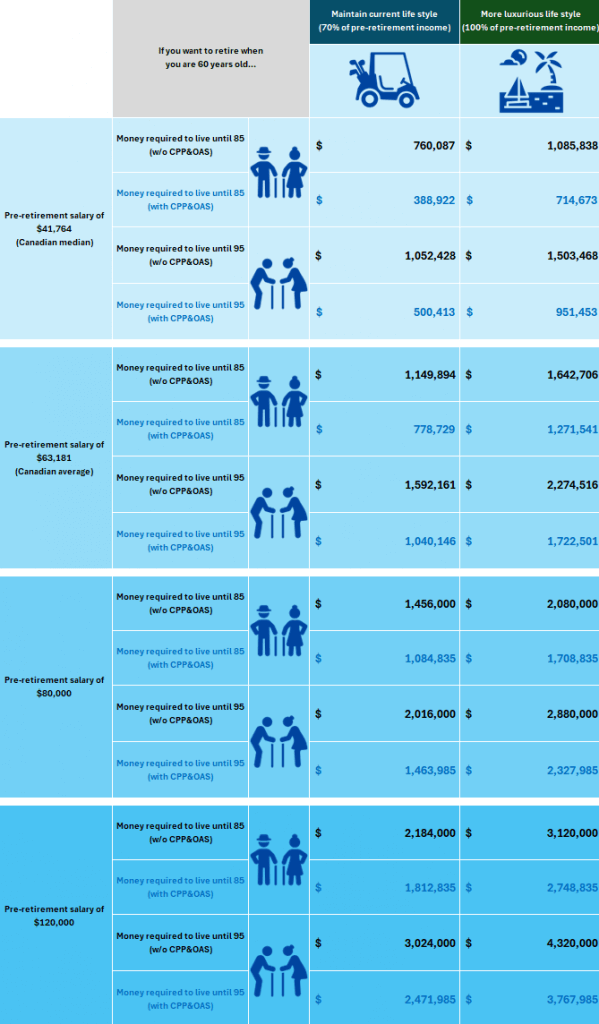
Introduction
The retirement age in Canada has been a topic of significant importance, particularly as the demographic landscape continues to shift. With an aging population and changing economic conditions, understanding the current trends surrounding Canada retirement age is vital for both policymakers and citizens. As many Canadians approach retirement, the implications of age on pension plans, healthcare, and lifestyle choices are increasingly relevant.
Current Retirement Age Guidelines
In Canada, the standard retirement age for Old Age Security (OAS), a government program, is currently set at 65 years. However, the age can be adjusted for early or delayed benefits. Canadians can choose to start receiving OAS at age 60, albeit at a reduced rate. Conversely, delaying benefits until as late as age 70 results in increased monthly payments. This flexibility is designed to accommodate different financial needs and lifestyles, allowing individuals to make choices that best suit their circumstances.
Changing Trends and Statistics
A recent report from Statistics Canada revealed that the average age of retirement is gradually increasing. In 1996, approximately 29% of Canadians between the ages of 55 and 64 were still employed. Fast forward to 2022, that number has surged to nearly 42%. Factors contributing to this trend include financial necessity, a desire for continued engagement in the workforce, and improvements in health and longevity. Furthermore, the COVID-19 pandemic has led many to reassess their work-life balance, with some opting to remain in the workforce longer.
Implications for Canadians
The implications of changes to the retirement age in Canada are profound. Firstly, a delayed retirement age affects the sustainability of pension plans and social security systems. Policymakers are analyzing whether adjustments to the retirement age can help alleviate pressures on these systems as the population ages. Furthermore, the psychological and social factors related to work and retirement play a significant role, with many finding purpose and community in their jobs.
Conclusion
As Canadians increasingly retire later, it is essential to remain informed about changes to retirement policies and their impacts. The flexibility afforded by the current system allows individuals to tailor their retirement experience. However, with ongoing discussions about the sustainability of pension plans and rising living costs, future adjustments may be necessary to align retirement ages with economic realities. For Canadians, understanding these trends will play a crucial role in planning for a secure and fulfilling retirement.